admin

When Behavior is a Survival Response
Not every difficult behavior is a sign of rebellion, weakness, poor character, or lack of discipline. Sometimes what appears irrational, destructive, withdrawn, aggressive, or uncooperative may be a response to pain, fear, shame, or experiences that have overwhelmed a person’s ability to cope.
At Vita Plena Uganda, we believe that understanding what happens in the brain and body during and after difficult experiences can change the way individuals, families, institutions, and communities respond to people who are struggling.
Our Understanding Trauma and the Brain program introduces participants to the basic principles of trauma and its effects on human behavior, learning, relationships, and emotional well-being.
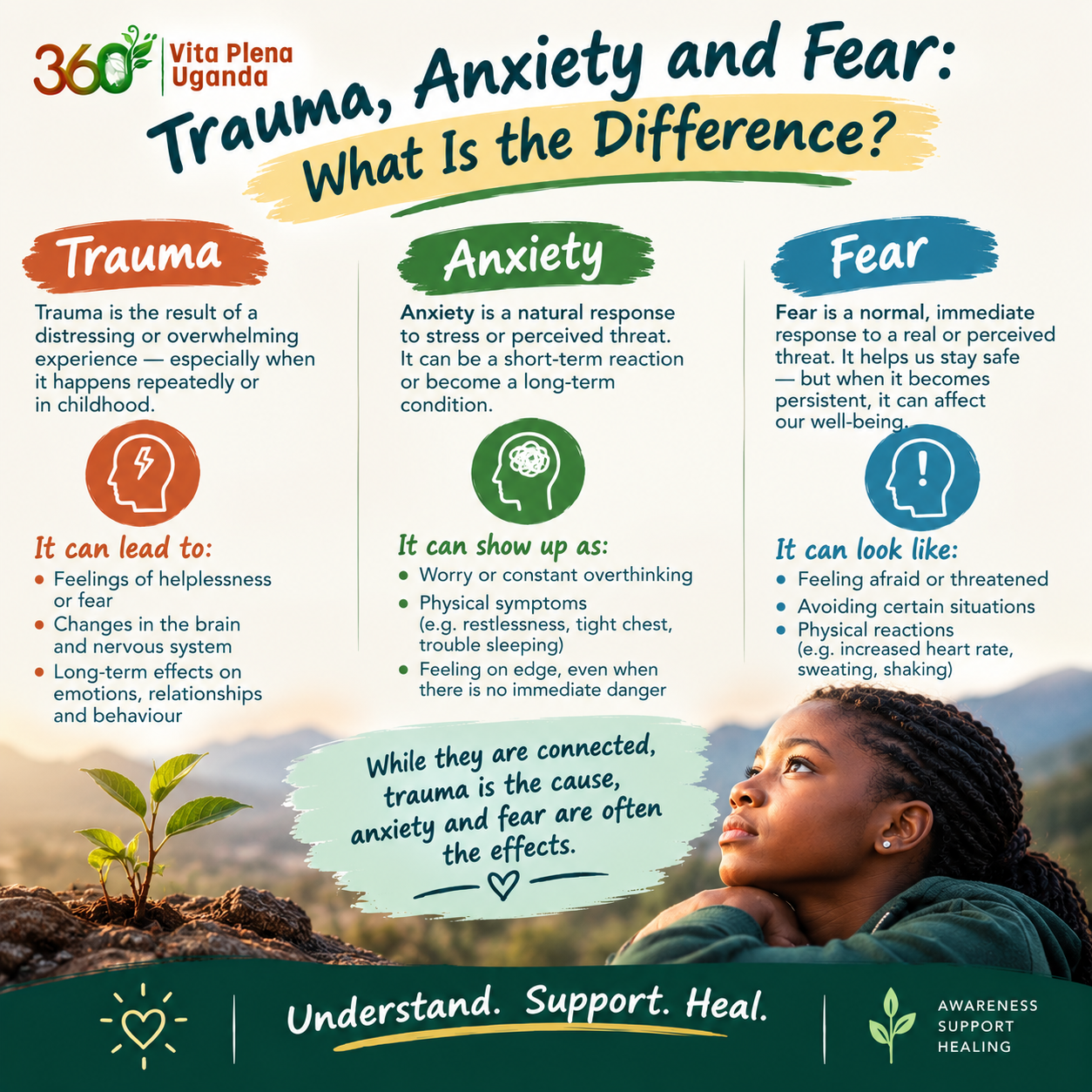
What is Trauma?
Trauma can result from experiences that threaten a person’s sense of safety, dignity, identity, or wellbeing. These experiences may include violence, abuse, neglect, loss, displacement, poverty, discrimination, accidents, conflict, imprisonment, family breakdown, or prolonged exposure to stressful circumstances.
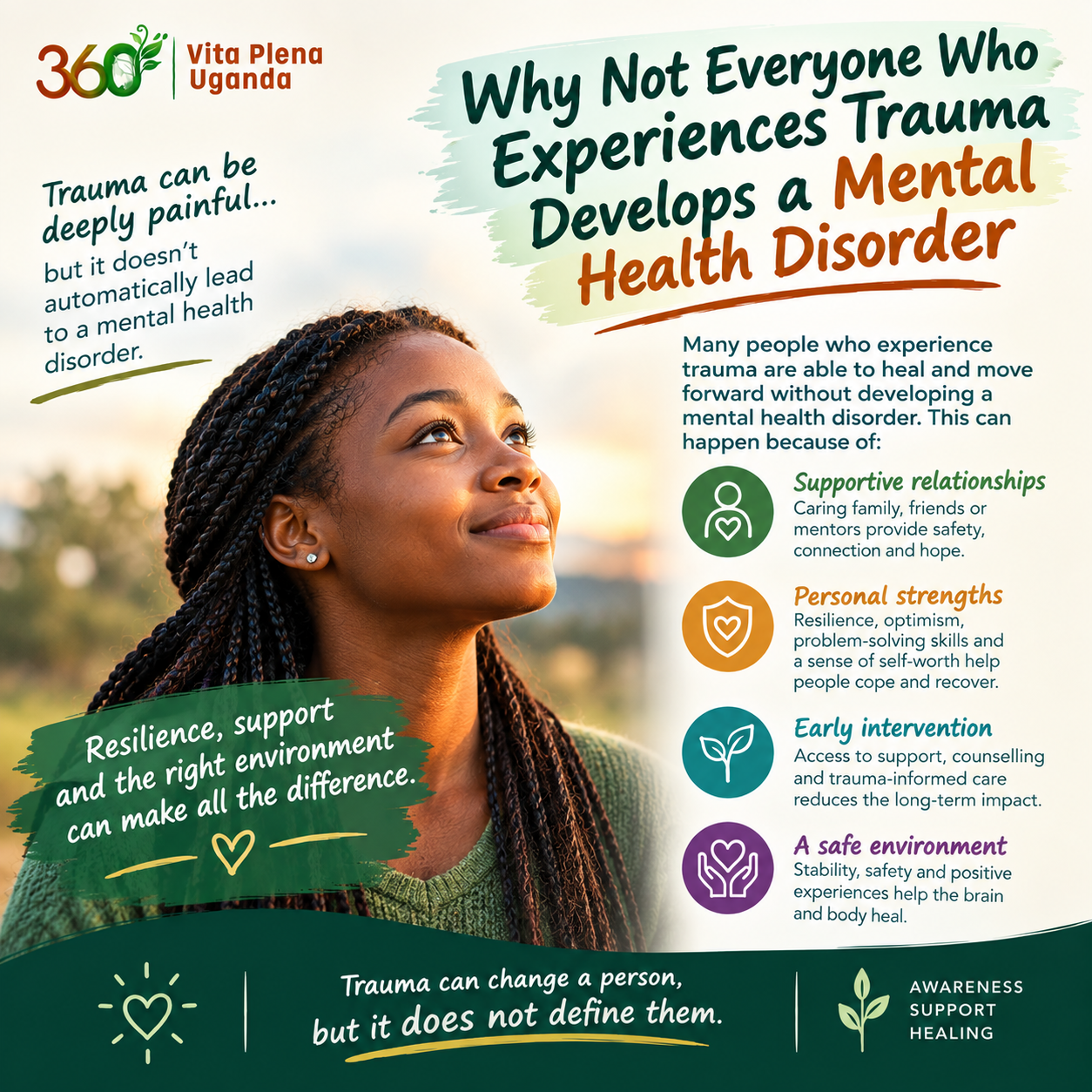
Trauma does not affect everyone in the same way. Two people may experience a similar event and respond very differently.
One person may become withdrawn. Another may become angry or aggressive. Someone else may struggle with concentration, trust, relationships, or emotional regulation.
Understanding these differences helps us move beyond judgement and toward appropriate support.
Understanding the Brain
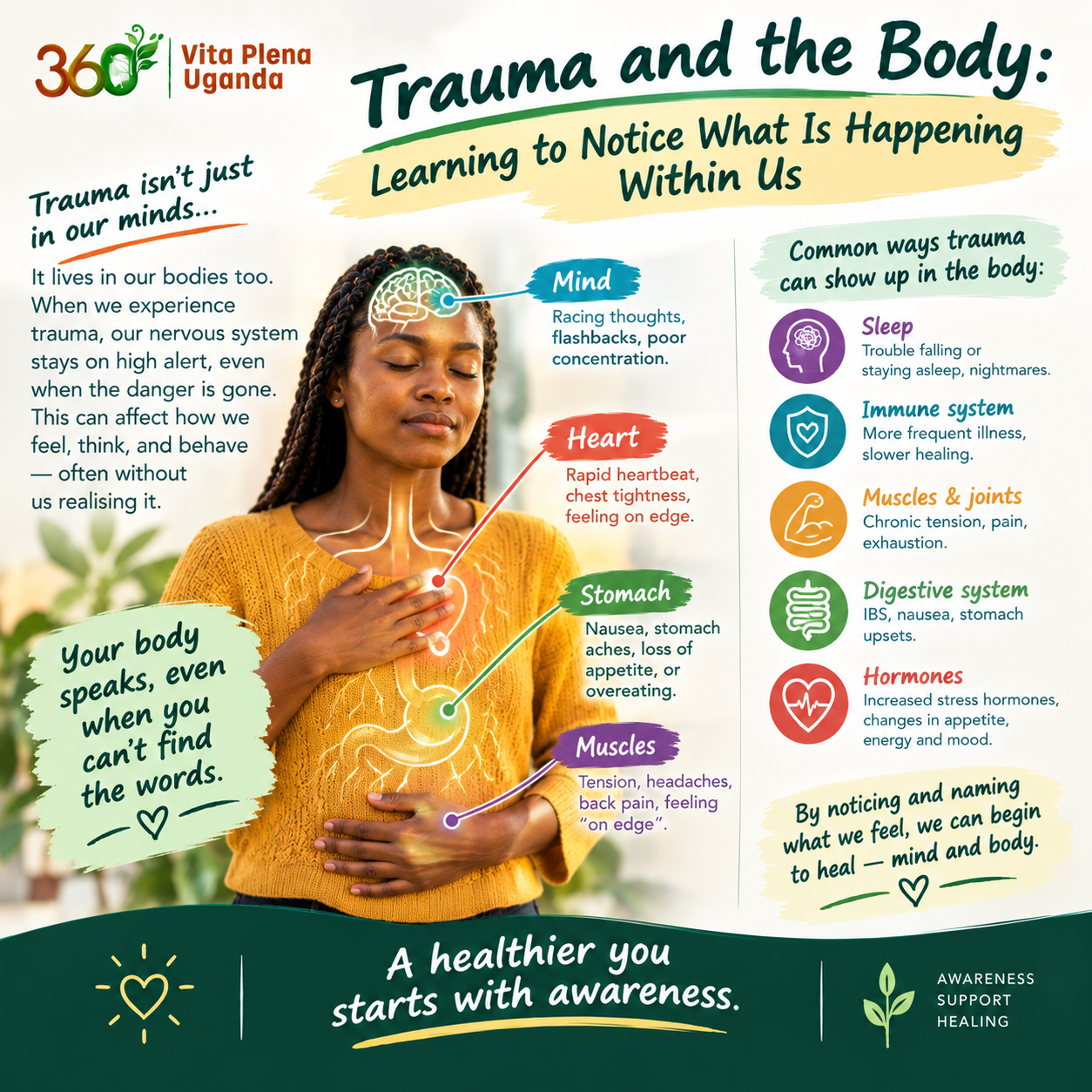
The brain is designed to protect us. When a person experiences danger or overwhelming stress, the brain can activate survival responses that prepare the individual to fight, flee, freeze, or otherwise protect themselves.
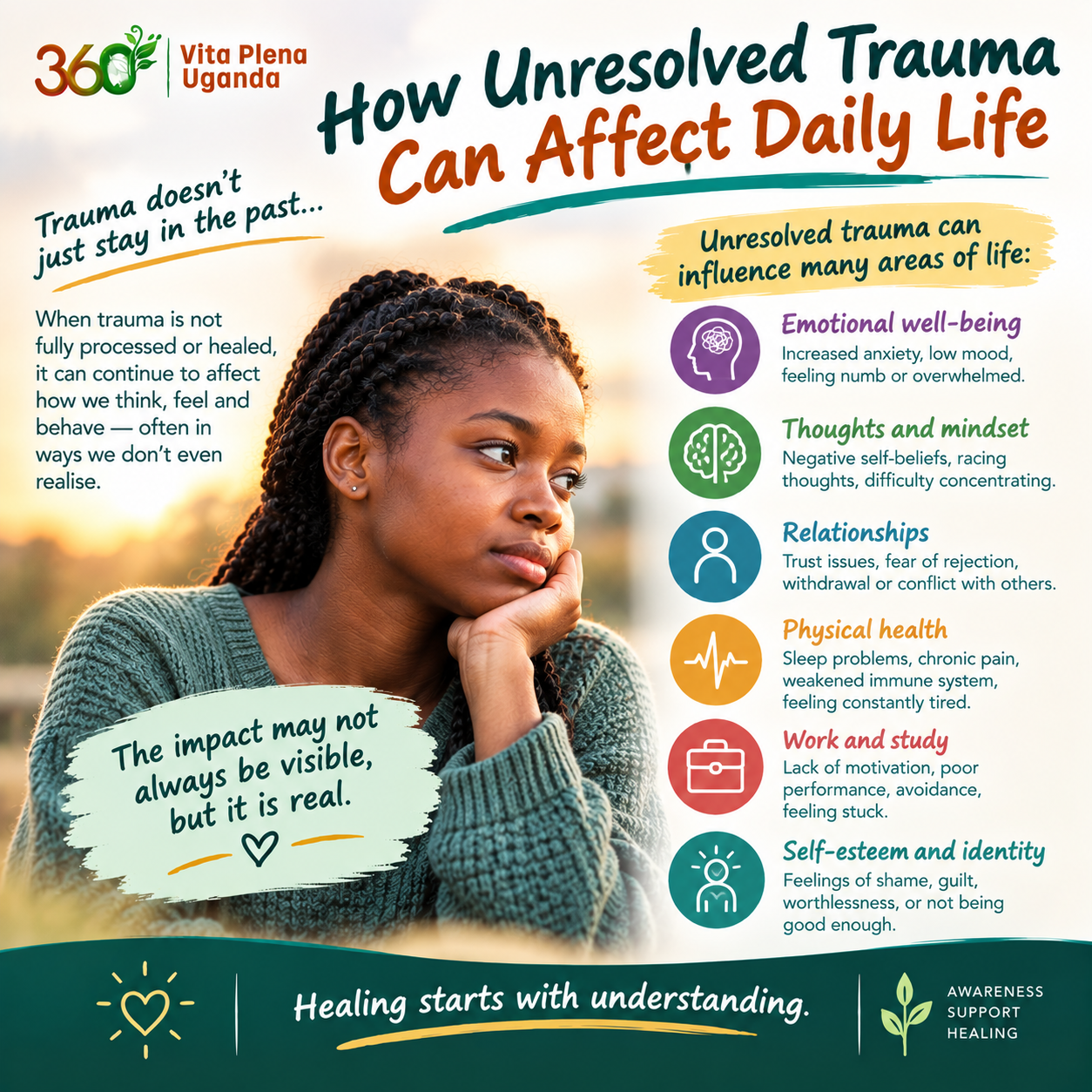
When difficult experiences are repeated or remain unresolved, these responses can influence everyday life long after the original danger has passed.
Participants explore how trauma can affect:
- Emotional regulation
- Memory and concentration
- Learning and behaviour
- Decision-making
- Relationships and trust
- Self-perception
- Mental and emotional wellbeing
- Responses to authority and conflict
The goal is not to label people. It is to understand them better.
Trauma in the Ugandan Context
Trauma-informed understanding is particularly relevant in many Ugandan communities where people may experience poverty, violence, displacement, disability, family disruption, bereavement, gender-based violence, conflict, or long-term economic and social stress.
These realities can affect children, young people, parents, teachers, prisoners, refugees, community leaders, ministry workers, and professionals who support vulnerable populations.
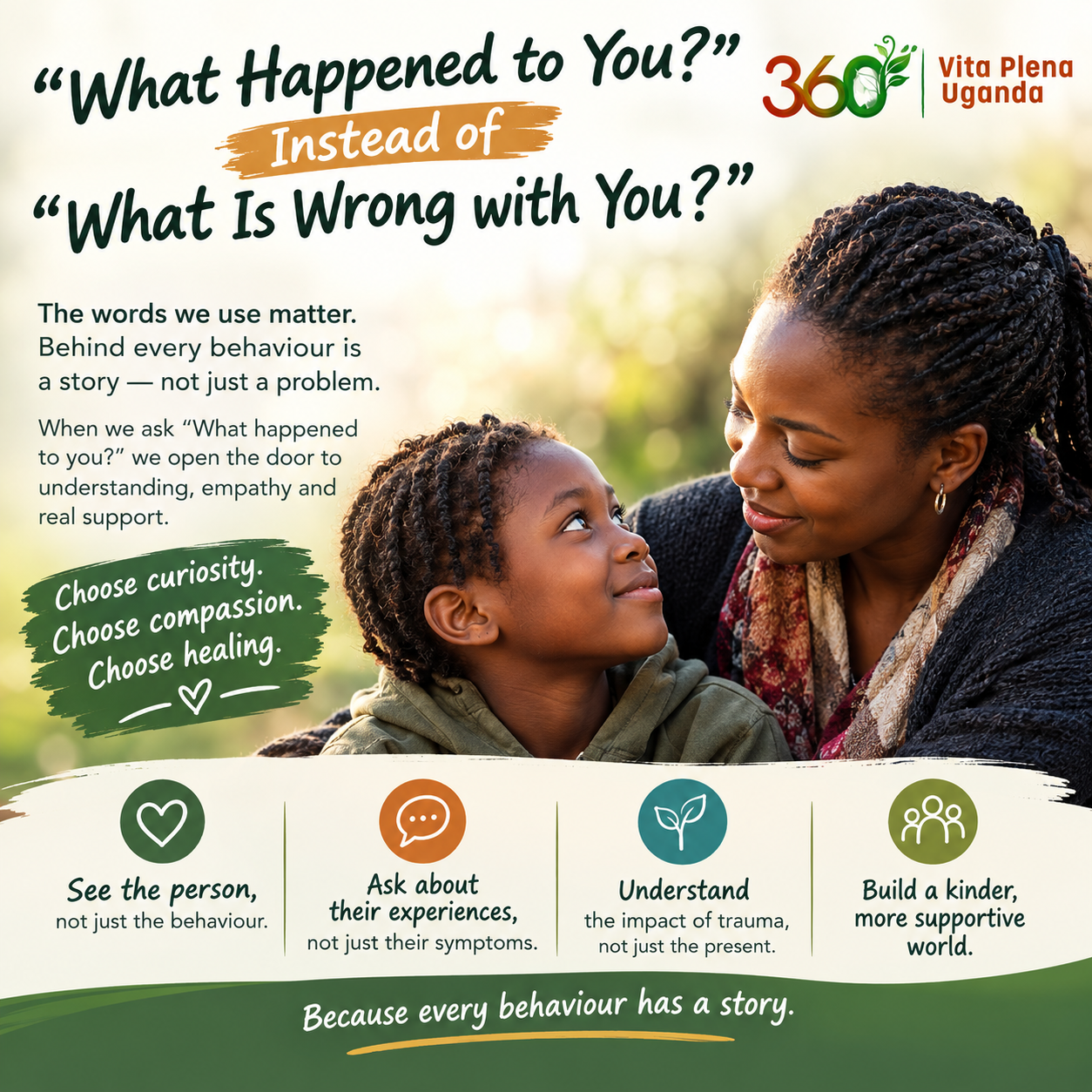
A trauma-informed approach asks a different question.
Instead of asking only, “What is wrong with this person?”, we learn to ask, “What may have happened to this person, and what support might help?”
This shift can influence how we teach, lead, counsel, discipline, disciple, and serve.
From Judgement to Compassion
Understanding trauma does not mean excusing harmful behaviour or removing accountability.
Rather, it helps us respond to behaviour with greater wisdom.
Compassion and accountability can exist together. People can be held responsible for their actions while also being supported to understand the experiences, beliefs, and patterns that influence their responses.
Who is this Program For?
This program is particularly suitable for:
- Teachers and school leaders
- Pastors and church leaders
- Counselors and mentors
- NGO staff and volunteers
- Prison workers and chaplains
- Youth workers
- Community leaders
- Refugee support workers
- Social workers
- Parents and caregivers
What Participants Gain
Participants leave with a clearer understanding of:
- What trauma is and how it develops
- How difficult experiences can affect the brain
- Why people respond differently to stressful experiences
- How trauma can influence behaviour and learning
- How to respond to distressed individuals more effectively
- Why safety, compassion, dignity, and connection matter
Our Approach
Vita Plena Uganda delivers this program through interactive and accessible learning rather than technical clinical instruction.
Sessions may include:
- Facilitated teaching
- Group discussions
- Reflection exercises
- Case studies
- Story-based learning
- Practical examples
- Contextual application
The content can be adapted for churches, schools, prisons, refugee settings, NGOs, ministries, and community organisations.
Building Communities that Understand
A trauma-informed community is not simply one that knows about trauma. It is one that responds differently because of that knowledge.
When teachers understand distressed learners, pastors understand wounded families, prison workers understand trauma responses, and community leaders understand the effects of prolonged stress, opportunities for healing and restoration increase.
Vita Plena Uganda helps individuals and organisations move from simply reacting to behaviour toward understanding the person behind the behaviour.
Interested in this Program?
Contact Vita Plena Uganda to discuss a customised training for your church, school, organisation, institution, or community.