admin
Fear, anxiety, and trauma are often spoken of as if they are the same thing; three words for one experience of feeling unsettled or afraid. In everyday conversation, this hardly matters. But for anyone trying to understand themselves, support a struggling child, or care well for someone who has lived through hardship, the differences matter. Each experience works differently in the brain, serves a different purpose, and calls for a different kind of response.
Fear: The brain’s alarm system
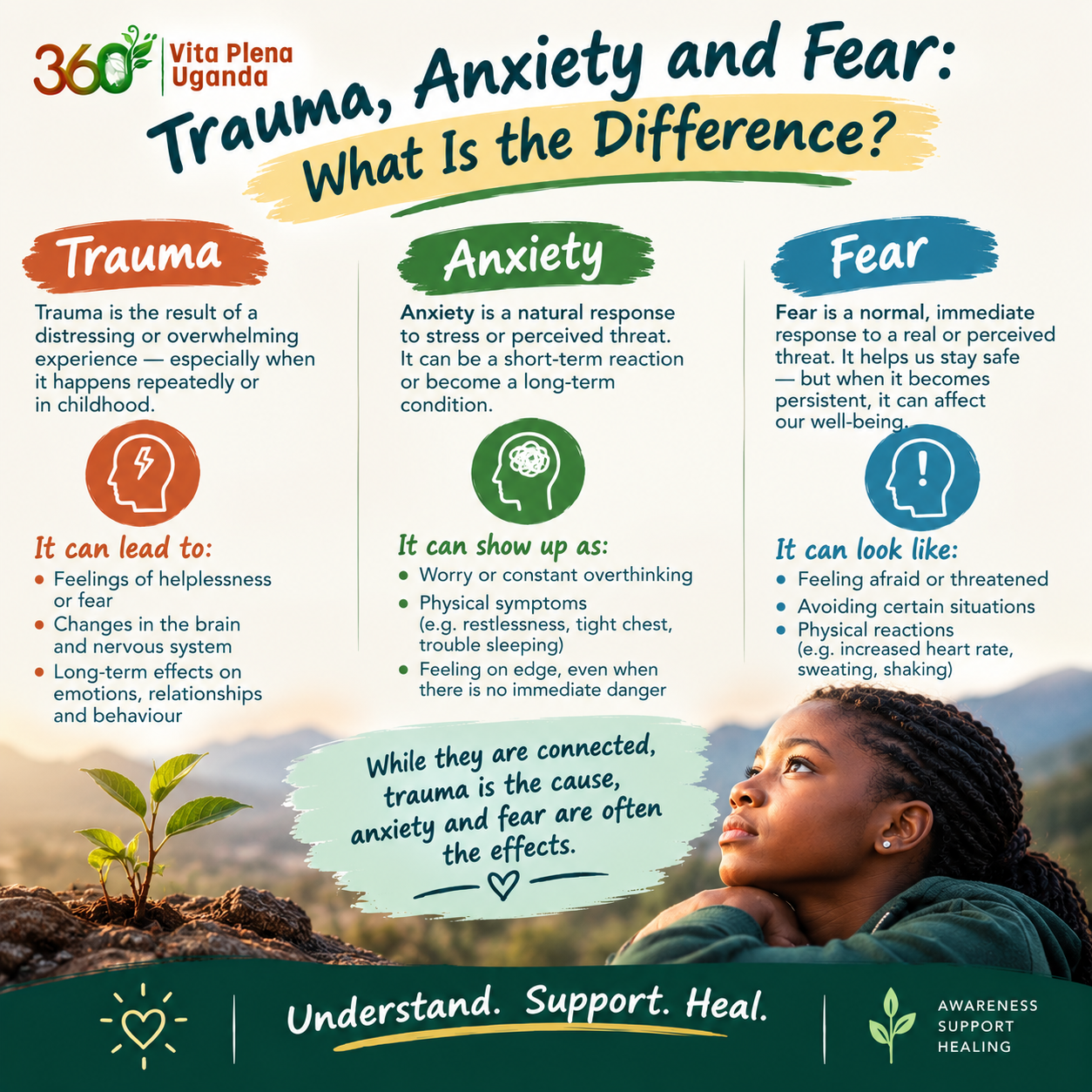
Fear is perhaps the easiest of the three to understand, because it is something every human being experiences and recognises almost instantly. Fear is the brain’s immediate, automatic response to a real or perceived threat in the present moment. It is sudden, intense, and usually short-lived. It rises sharply when danger appears and falls away once the danger has passed.
Why fear exists
Fear exists to protect us. It is the signal that triggers fight, flight, or freeze — the body’s built-in survival responses. When the amygdala, the brain’s threat-detection centre, senses danger, it can override the parts of the brain responsible for calm reasoning and send the body into immediate action. A person startled by a loud noise, a driver who swerves to avoid an accident, a child who jumps at the sound of breaking glass — all of these are examples of fear doing exactly what it was designed to do.
Fear, in this sense, is not a problem. It is a gift. Without it, none of us would survive very long.
Anxiety: Fear without a clear target
Anxiety is often described as fear’s quieter, more persistent cousin. Where fear responds to something specific and present, anxiety tends to linger even when no immediate threat exists. It is often directed at something uncertain, something in the future, or something the person cannot quite name.
Anxiety can show up as constant worry, a sense of dread that will not lift, restlessness, difficulty concentrating, or a body that stays tense and alert even when there is nothing obviously wrong. Physically, anxiety can look very similar to fear — a racing heart, shallow breathing, poor sleep — but emotionally, it tends to be less about “something is happening,” and more about “something bad might happen.”
Why anxiety lingers
Anxiety often develops when the brain’s alarm system has been triggered so often, or so intensely, that it begins sounding even when there is no clear danger present. In this way, anxiety can be understood as a brain and body that have learned — often for good reason — that the world is not entirely safe, and so they remain on guard even during ordinary moments of life.
Trauma: The experience that shapes the alarm system itself
If fear is the alarm going off, and anxiety is the alarm that will not switch off, trauma is what rewires the alarm system in the first place. Trauma is not simply a feeling; it is the lasting impact of an experience (or many experiences) that overwhelmed a person’s ability to cope at the time it happened.
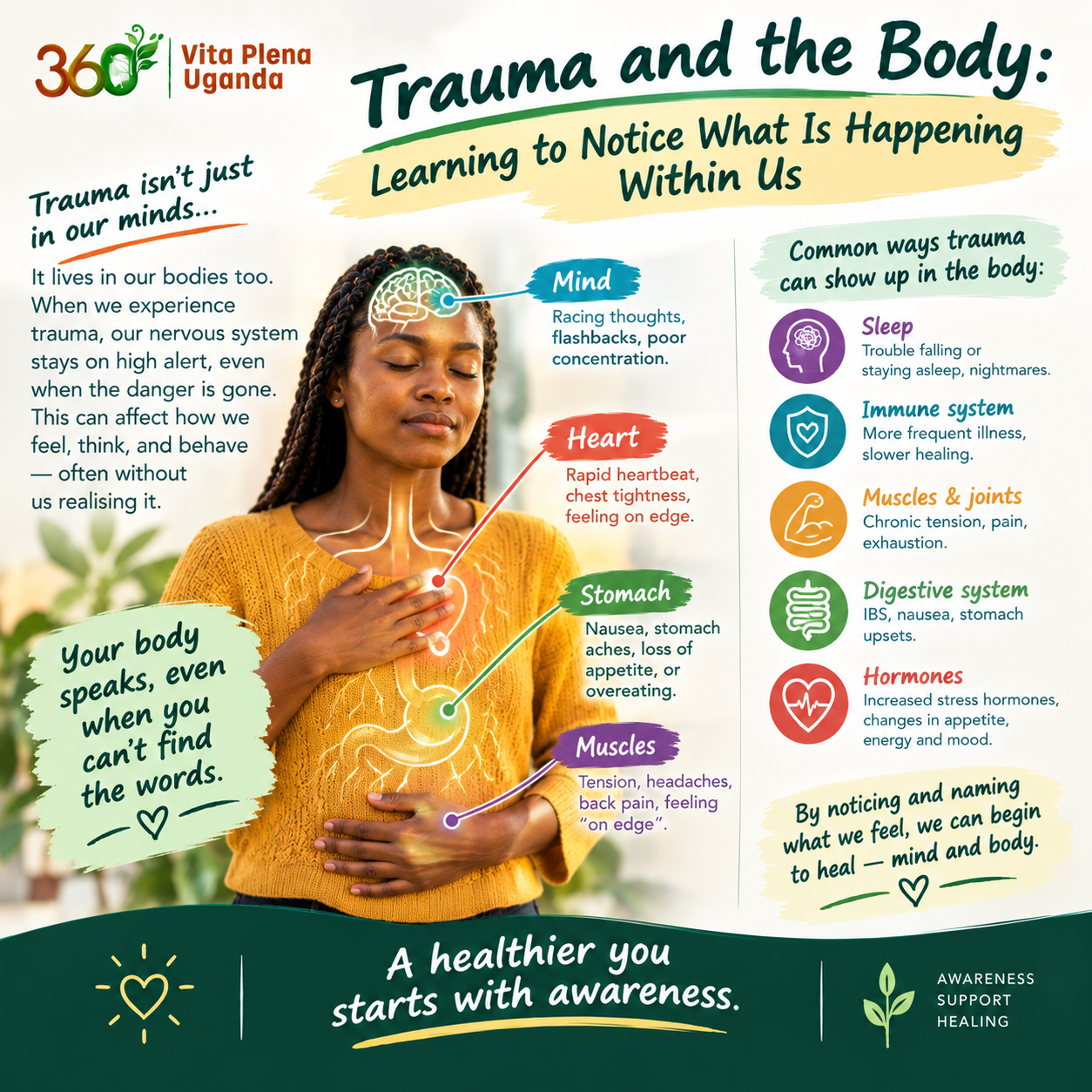
A person who has experienced trauma often develops a nervous system that is more easily triggered, more sensitive to reminders of the past, and slower to return to a calm state once alarmed. This is why someone can react strongly to something that, to an outside observer, seems completely harmless — a tone of voice, a particular smell, a song on the radio, the sound of footsteps. The brain is not overreacting to the present moment; it is reacting to an old danger that has resurfaced through a reminder, sometimes called a trigger.
This is part of why the age at which trauma occurs matters so much. Different stages of brain development are affected differently depending on when difficult experiences happen, which is one reason childhood trauma can have such a lasting effect on how a person experiences fear and anxiety well into adulthood.
How the three relate to one another
Although fear, anxiety, and trauma are distinct, they are closely connected, and understanding how they interact helps make sense of a great deal of human behaviour.
Trauma can create chronic anxiety
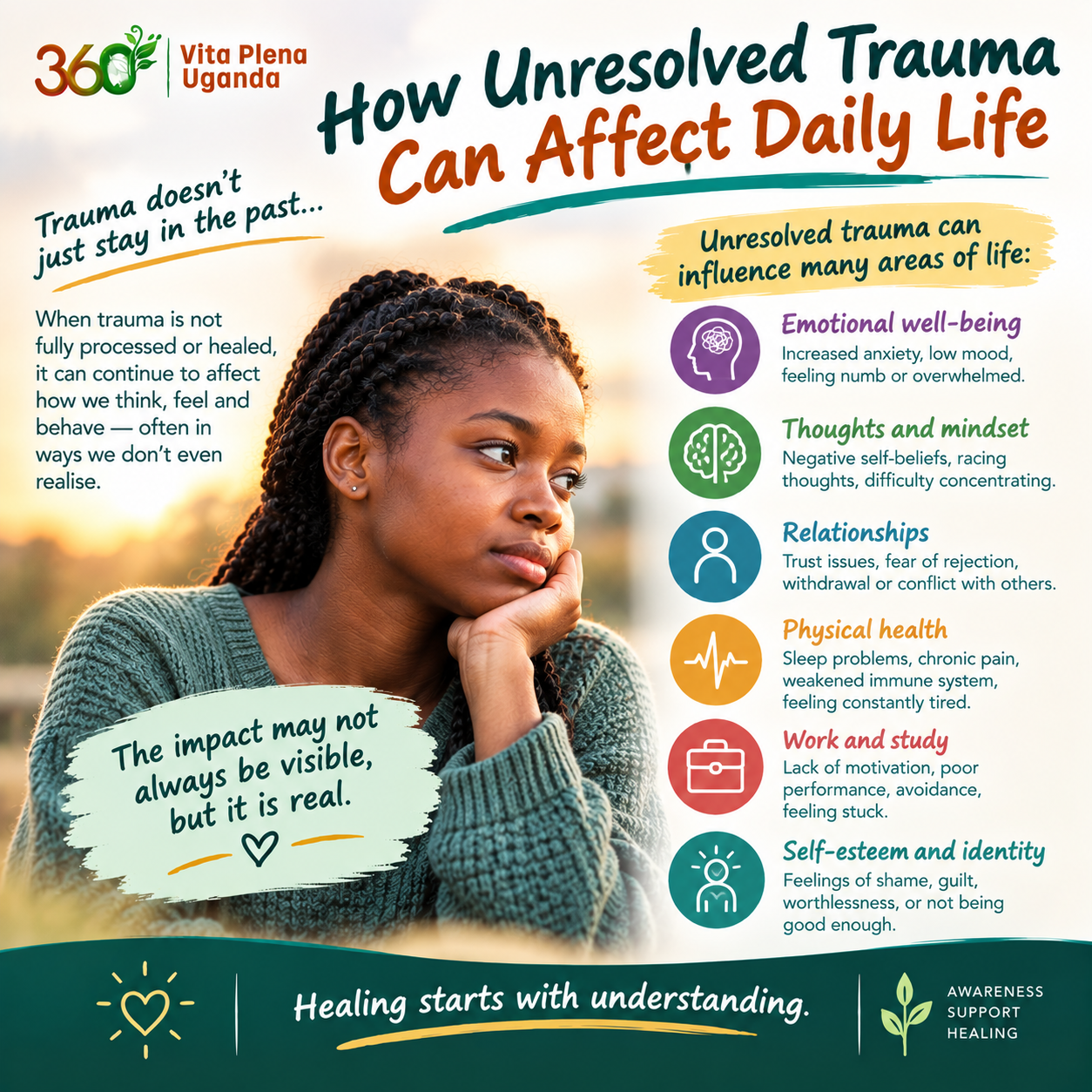
A person who has lived through trauma may carry a nervous system that is primed to expect danger, even in safe environments. This can produce long-term anxiety; not because the person is choosing to worry excessively, but because their brain has learned, through hard experience, that vigilance once kept them safe.
Fear can become disconnected from the present
In trauma, fear responses can become triggered by reminders of the past rather than by present danger. A teenager who freezes at a particular song, or a child who hides at the sound of a door, is not reacting to the current moment; they are reacting to an echo of something that happened before.
Anxiety can exist without trauma, and Trauma without lasting Anxiety
It is worth noting that these experiences do not always travel together. A person can experience anxiety without ever having gone through significant trauma — anxiety has many causes. Equally, a person can experience real trauma and, through support, safety, and resilience, not develop long-term anxiety at all. None of these experiences follow a fixed formula; they depend heavily on the person, their history, and the support available to them.
Why the difference matters in how we respond
Understanding these distinctions is not simply an academic exercise — it changes how we support the people around us.
Responding to Fear
Because fear is tied to the present moment, it often responds well to reassurance, information, and a return to safety. Helping someone understand what is happening and confirming that the immediate danger has passed can help the fear response settle.
Responding to Anxiety
Anxiety, being less tied to a single, identifiable danger, often needs a gentler, more patient response. Rather than trying to reason someone out of their worry, it can help to create calm, predictable environments, encourage grounding in the present moment, and be a steady, non-judgmental presence over time.
Responding to Trauma
Trauma responses require the most care of all, because they are rooted in experiences that may never have been consciously processed. Safety must come first — a stable, predictable, relational environment in which a person does not feel pressured to explain or justify their reaction. We do not need to understand exactly what triggered someone’s response to offer comfort; we simply need to recognise that the reaction is real, even if its cause is not immediately visible.
A Shared Principle: Curiosity over Judgment
Across all three – fear, anxiety, and trauma — the same underlying posture helps: curiosity rather than judgment. Instead of asking, “Why are you so afraid of something so small?” we can ask, “What might this remind you of?” Instead of saying, “There’s nothing to worry about,” we can say, “I can see this feels hard — I’m here.” These small shifts honour the reality of what a person is experiencing, rather than dismissing it because it does not make immediate sense to us.
This Understanding Brings Hope
Recognising the difference between fear, anxiety, and trauma does more than help us categorise human experience correctly. It helps us respond with far greater compassion and far less confusion. A child who freezes is not being dramatic. A person who stays anxious long after a difficult season has passed is not weak. Someone who reacts strongly to something seemingly small may be carrying an old wound that has simply been touched again.
When we understand what is actually happening beneath the surface – an alarm system doing exactly what it was shaped to do — we stop asking people to simply “calm down” or “get over it,” and start asking what safety, patience, and support they still need in order to heal. That shift, small as it seems, can make all the difference in someone’s journey toward wholeness.