admin

The phrase “trauma-informed” has become common in schools, churches, and community organisations, but it is often used without a clear sense of what it actually means. It is not a therapy technique, a certification, or a set of rules. It is a way of seeing people — and once understood, it changes almost everything about how we support one another.
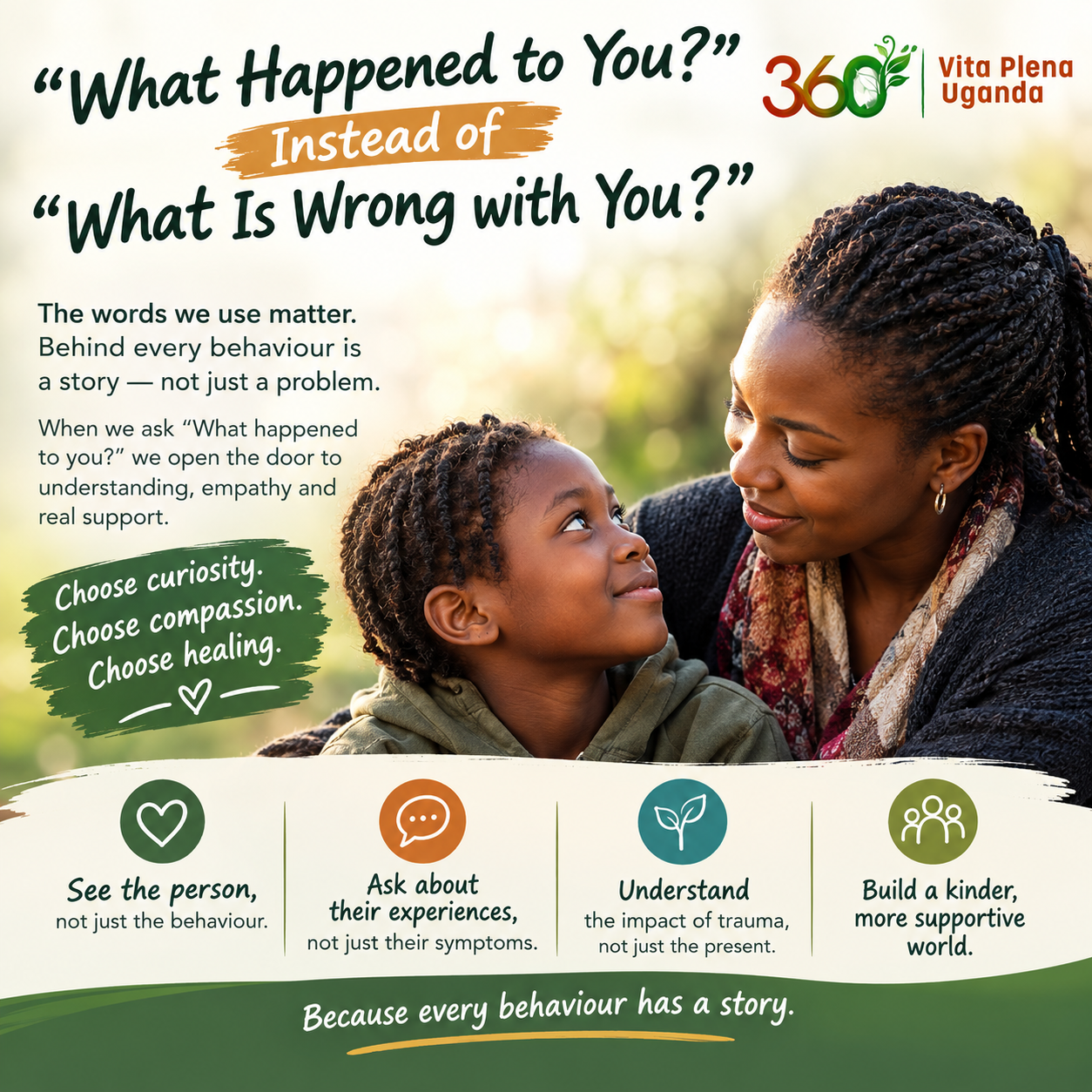
At its core, trauma-informed care is a toolkit for moving away from a purely problem-focused way of viewing behaviour and mental health, and toward one that asks what a person has lived through. A problem-focused perspective looks at a struggling person and searches for what is broken in them. A trauma-informed perspective looks at the same person and searches for what happened to them. Nothing about the person changes between these two views — only the lens we use to understand them.
This distinction matters because it shapes everything that follows: how we speak, how we respond to difficult behaviour, and how much safety a person feels in our presence.
Misunderstanding often creeps in here, so it helps to be direct about what this approach does not require:
- It is not forced disclosure. No one is pressured to tell their story before they are ready.
- It is not mandatory therapy. Being trauma-informed does not mean turning every teacher, pastor, or parent into a counsellor.
- It is not necessarily a slow process. While deep healing takes time, small trauma-informed shifts can happen in a single conversation.
- It is not a label. The goal is compassion and understanding, not a diagnosis to pin on someone.
Stripped down to its essentials, a trauma-informed approach rests on a handful of core convictions:
- Awareness of the “why.” A person’s behaviour is often a reflection of their traumatic experiences, not a character flaw.
- Safety first. Before any deeper conversation or healing can happen, a person needs a stable, predictable, relational environment. Safety is the foundation everything else is built on.
- Healing through connection. People do not heal in isolation. They heal in relationship — through being seen, heard, and accompanied.
- Empowerment. Trauma-informed support restores a person’s sense of agency rather than deciding everything for them.
- Recognizing that trauma can be preverbal. Some of the deepest wounds, especially from early childhood, exist as fragmented or wordless memories. A person may act out of a trauma they cannot consciously recall or explain.
- Building trauma-informed networks. It is not only the individual who needs to become trauma-informed — the people around them (family, teachers, church leaders, colleagues) benefit from understanding this lens too.
Why safety comes before everything else
One of the most important and most overlooked principles of trauma-informed care is that safety must come first. A person whose nervous system still feels under threat cannot process, reflect, or truly hear anything we offer them, however wise or well-intentioned. Only once someone feels safe can the thinking, reasoning parts of their brain do their work. This is why trauma-informed care so often looks less like advice-giving and more like steady, patient presence.
Trauma-informed care in everyday life
You do not need a clinical title to practise trauma-informed care. It can look like:
- A teacher who responds to a disruptive student with curiosity instead of punishment
- A parent who creates a predictable, calm home rather than reacting harshly to every mistake
- A pastor who listens without rushing someone toward a tidy spiritual explanation
- A friend who simply stays present with someone in pain, without trying to fix them immediately
Being trauma-informed does not mean replacing professional help. There is real overlap between trauma symptoms and mental illness, and it is not our place to diagnose or decide which is which. When in doubt, the most caring response is to walk alongside someone while also encouraging them toward qualified support — medical, psychological, or pastoral, as appropriate.
A foundation, not a finish line
Trauma-informed care is best understood as a foundation rather than a finished skill set. It is the starting posture from which everything else — listening well, offering valuing messages, supporting recovery, building resilience — becomes possible. Once we learn to see behaviour and struggle through this lens, we cannot easily unsee it, and the people around us begin to experience something rare: to be met not with judgment, but with understanding.