admin

Serving People With Understanding, Safety and Dignity
People who serve others often work with individuals carrying experiences they cannot immediately see.
A teacher may be working with a child affected by family violence. A pastor may be supporting a family experiencing conflict. A prison officer may be working with an inmate shaped by years of adversity. An NGO worker may be supporting a displaced person who has experienced loss and uncertainty.
Without an understanding of trauma, these situations can easily be misunderstood.
Trauma-Informed Service Delivery equips frontline workers with practical knowledge and approaches for responding to people affected by difficult experiences.
What Does Trauma-Informed Service Mean?
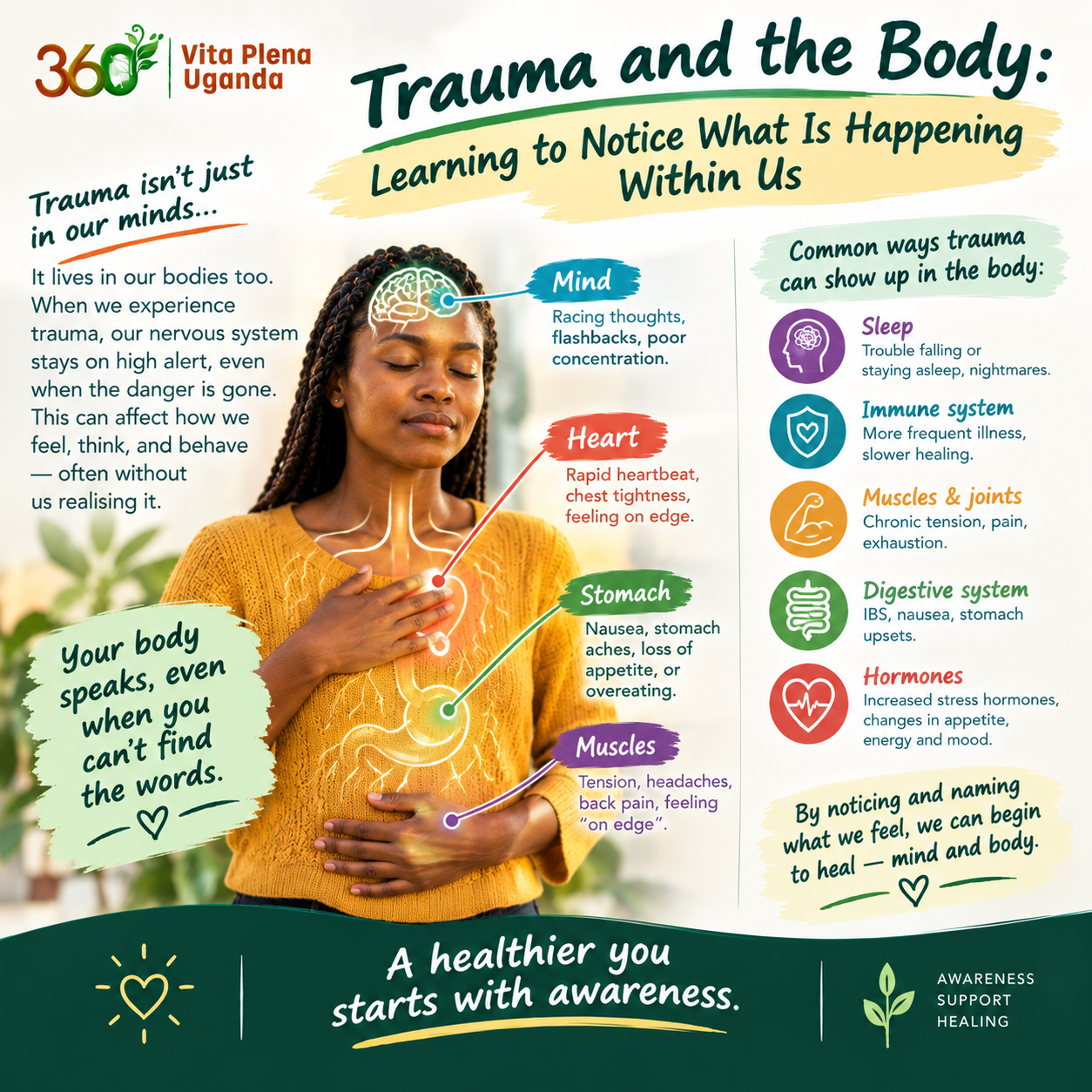
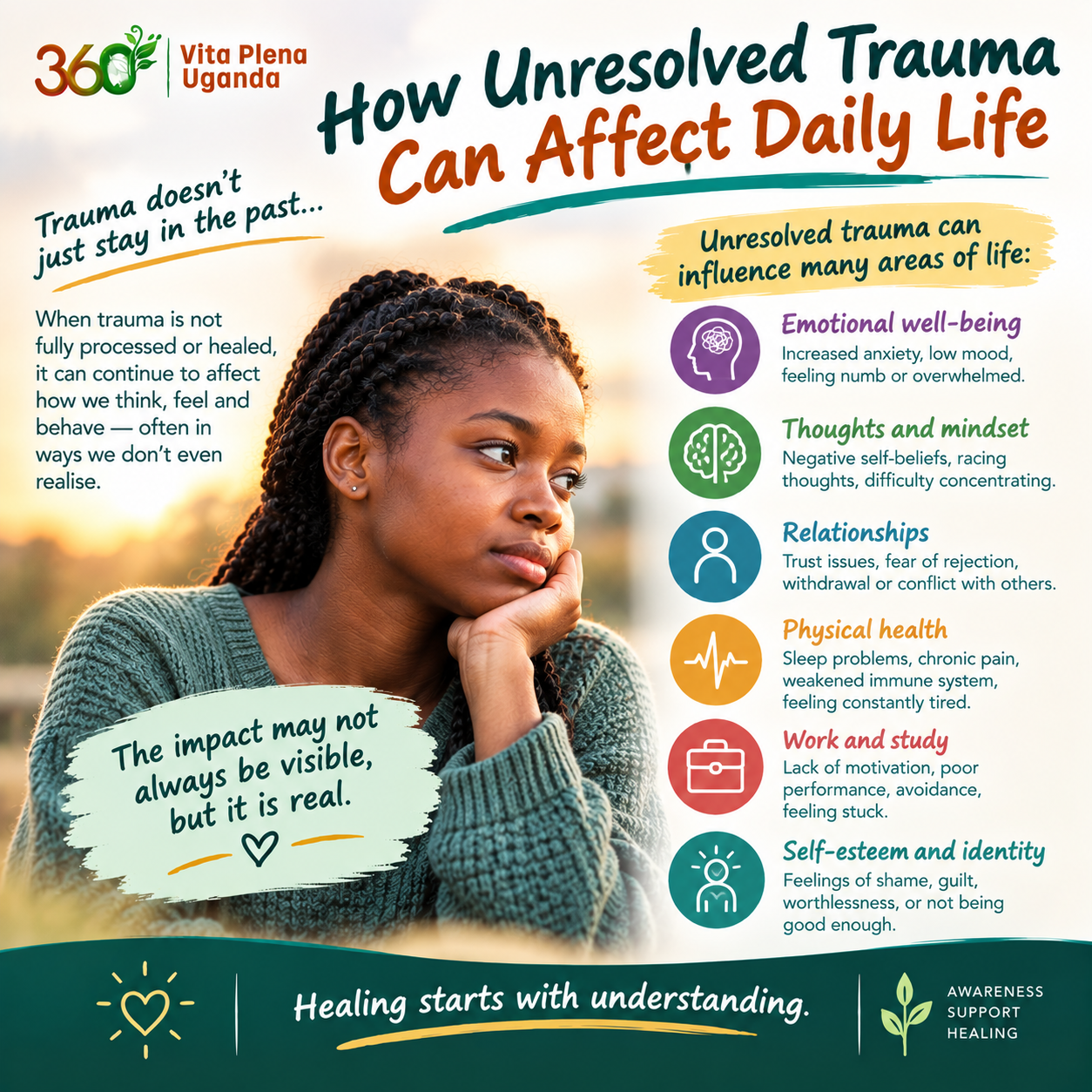
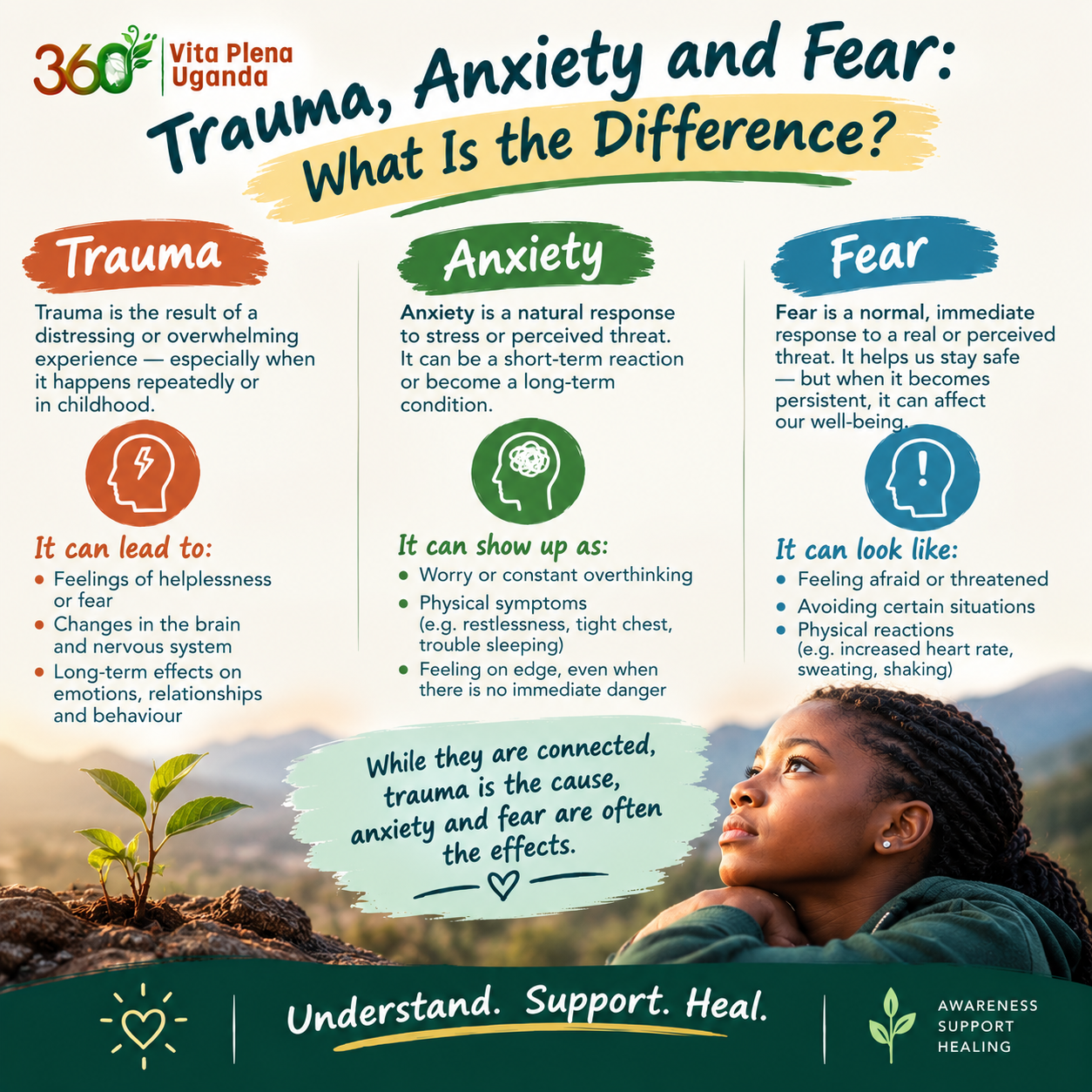
Being trauma-informed means recognising that trauma may influence the way a person thinks, behaves, learns, communicates, trusts, and responds to authority.
It encourages service providers to consider the person’s experience while maintaining appropriate boundaries, accountability, and professional responsibility.
The approach focuses on creating environments characterised by:
- Safety
- Respect
- Dignity
- Trust
- Choice
- Connection
- Compassion
Why It Matters in Uganda
Across Uganda, frontline workers serve people facing a wide range of challenges, including poverty, displacement, family breakdown, violence, disability, loss, unemployment, and prolonged stress.
The people being served are not the only ones affected. Workers themselves can also experience emotional exhaustion and secondary trauma.
Trauma-informed service delivery therefore benefits both those receiving services and those providing them.
Training for Different Frontline Settings
Prison Staff and Chaplains
Correctional environments can be highly stressful.
Trauma-informed training helps prison staff and chaplains better understand behaviour, conflict, emotional distress, and the challenges associated with rehabilitation.
The goal is to support:
- Safer interactions
- Conflict reduction
- Rehabilitation
- Constructive communication
- Dignity and respect
- Staff wellbeing
Teachers and School Leaders
Students do not always communicate distress through words.
Trauma may appear as:
- Poor concentration
- Withdrawal
- Anger
- Disruptive behaviour
- Fear
- Low motivation
- Difficulty trusting adults
Teachers equipped with trauma-informed knowledge can respond to these behaviours more constructively while maintaining appropriate expectations and classroom boundaries.
Pastors and Community Leaders
Church and community leaders are often trusted first responders when families experience difficulty.
They may encounter:
- Family conflict
- Shame
- Bereavement
- Domestic violence
- Relationship breakdown
- Emotional distress
- Youth behavioural challenges
Trauma-informed principles can help leaders listen more carefully, respond more safely, and recognise situations requiring specialised professional support.
Refugee Support Workers
Refugee and displaced communities may carry experiences of conflict, loss, separation, uncertainty, and displacement.
Trauma-informed practice helps support workers accompany individuals with sensitivity while protecting dignity and avoiding approaches that may unintentionally increase distress.
NGO Staff and Volunteers
NGOs frequently work with vulnerable communities under challenging circumstances.
Training helps staff understand how trauma can influence engagement, communication, trust, and behaviour while promoting psychologically safer and more human-centred programs.
Practical Skills for Frontline Workers
Participants explore practical approaches for:
- Responding to distressed behaviour
- De-escalating conflict
- Communicating safely
- Building trust
- Maintaining boundaries
- Supporting emotional regulation
- Recognising signs of distress
- Promoting dignity
- Knowing when referral may be necessary
The program is educational and capacity-building in nature. It does not replace specialised clinical assessment or treatment where such services are required.
From Service Delivery to Human-Centred Care
Good service is not only about providing a program or meeting an organisational target.
It is also about how people experience the process.
When people feel respected, heard, safe, and valued, they are more likely to engage constructively.
Vita Plena Uganda helps organisations strengthen the human side of service delivery.
Equip Your Team
Contact Vita Plena Uganda to develop a trauma-informed training package for your school, church, prison, NGO, refugee program, or community organisation.