admin

Everyone is born with a brain. Yet no two people think, respond, relate, or cope in the same way. Two children can sit in the same classroom, hear the same instruction, and react in completely different ways. Two men can lose their livelihoods in the same season, and one rebuilds while the other withdraws. We often explain this with words like character, discipline, or willpower. The fuller explanation lies somewhere else: in what each person has lived through.
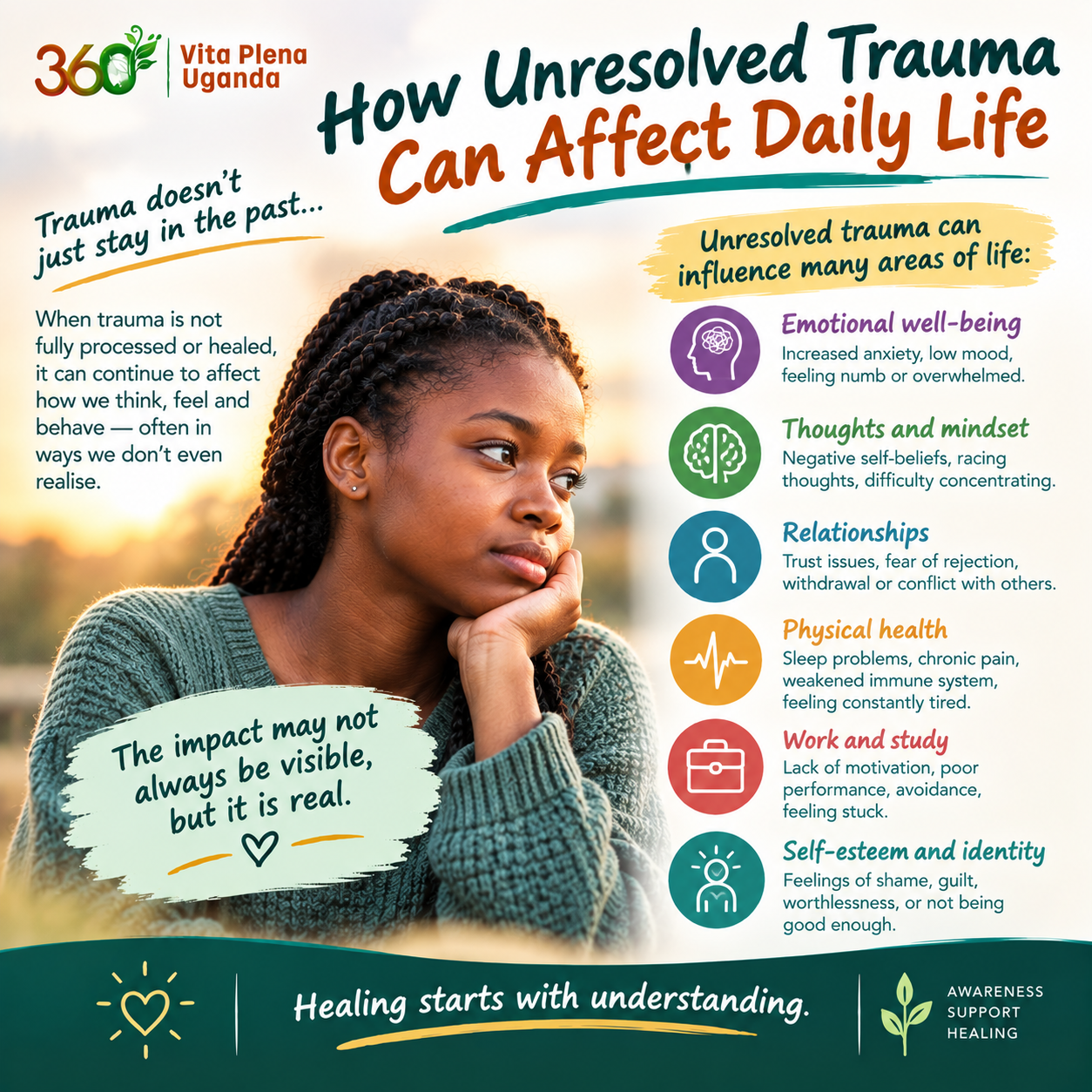
Across Uganda there are resilient people and strong communities. There are also many individuals carrying hidden emotional wounds from poverty, violence, displacement, neglect, rejection, abuse, conflict, and loss. These wounds do not disappear because nobody can see them. They shape behaviour, learning, decision-making, relationships, emotional regulation, and how a person sees their own worth.
The problem with judging the surface
A boy who fights at school is called stubborn. A woman who cannot hold a job is called lazy. A young man in remand is called a criminal. A father who withdraws from his family is called cold. These labels are quick, and they feel accurate, because they describe what we can observe.
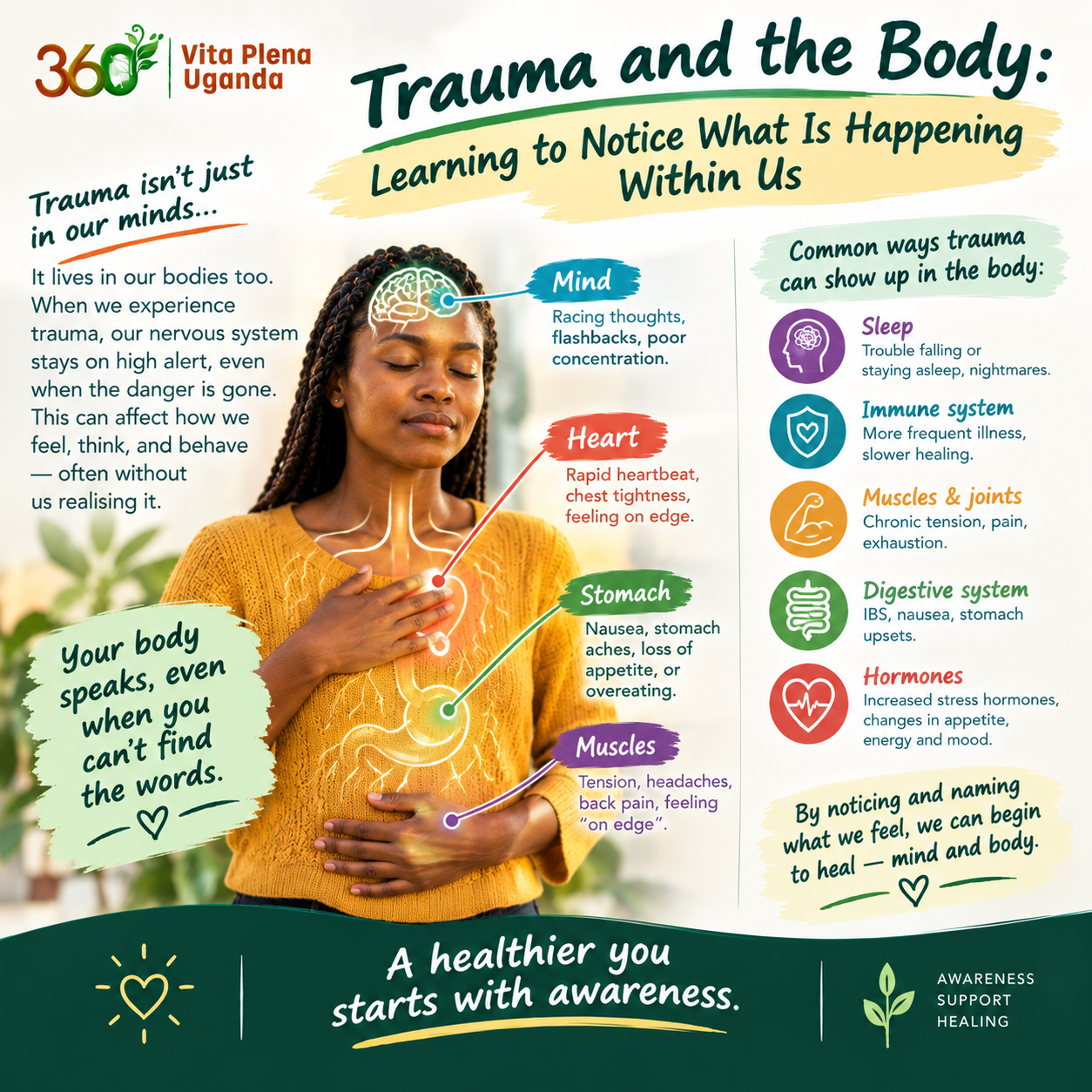
What they miss is everything underneath. Behind much difficult behaviour sit survival responses, shame, fear, and emotional needs that were never met. A child who has learned that adults are unpredictable will read a raised voice as danger long before they read it as correction. A survivor of violence may freeze during a disagreement that others would find ordinary. These are not choices in the way we usually mean the word. They are a nervous system doing what it learned to do in order to keep a person safe.
When we judge only the surface, we respond to the wrong thing. We correct the behaviour and leave the wound untouched, and then we are surprised when the behaviour returns.
Understanding changes the response
There is a difference between excusing behaviour and understanding it. Understanding does not remove responsibility. It gives us something better to work with.
A teacher who understands that a disruptive learner may be exhausted, hungry, frightened, or grieving will still address the disruption. But she will address it in a way that does not add another layer of shame to a child already carrying too much. A pastor who understands the pattern behind a couple’s repeated conflict will counsel differently than one who simply urges them to try harder. A prison officer who understands that aggression is often fear wearing a different face will manage a wing differently, and more safely, than one who does not.
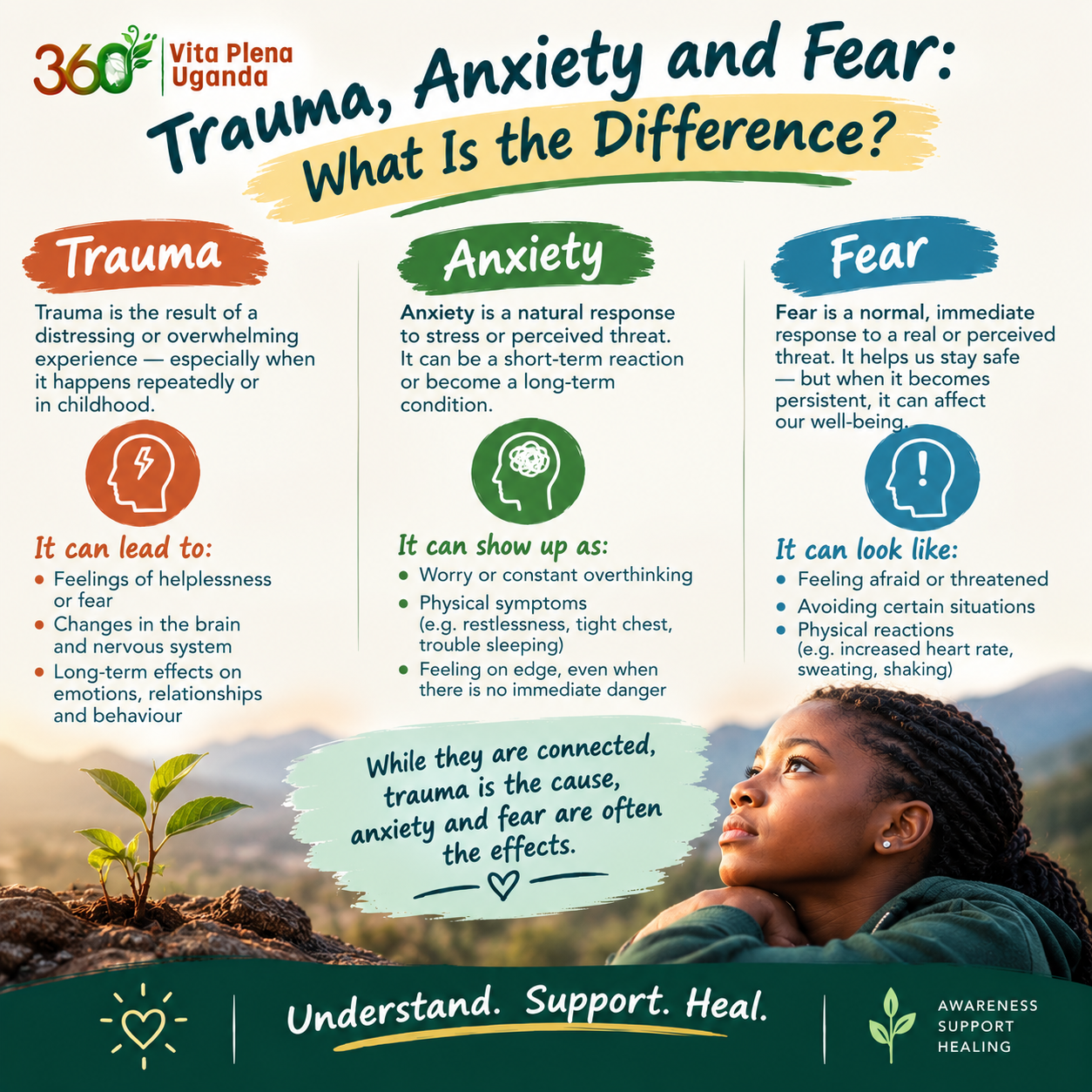
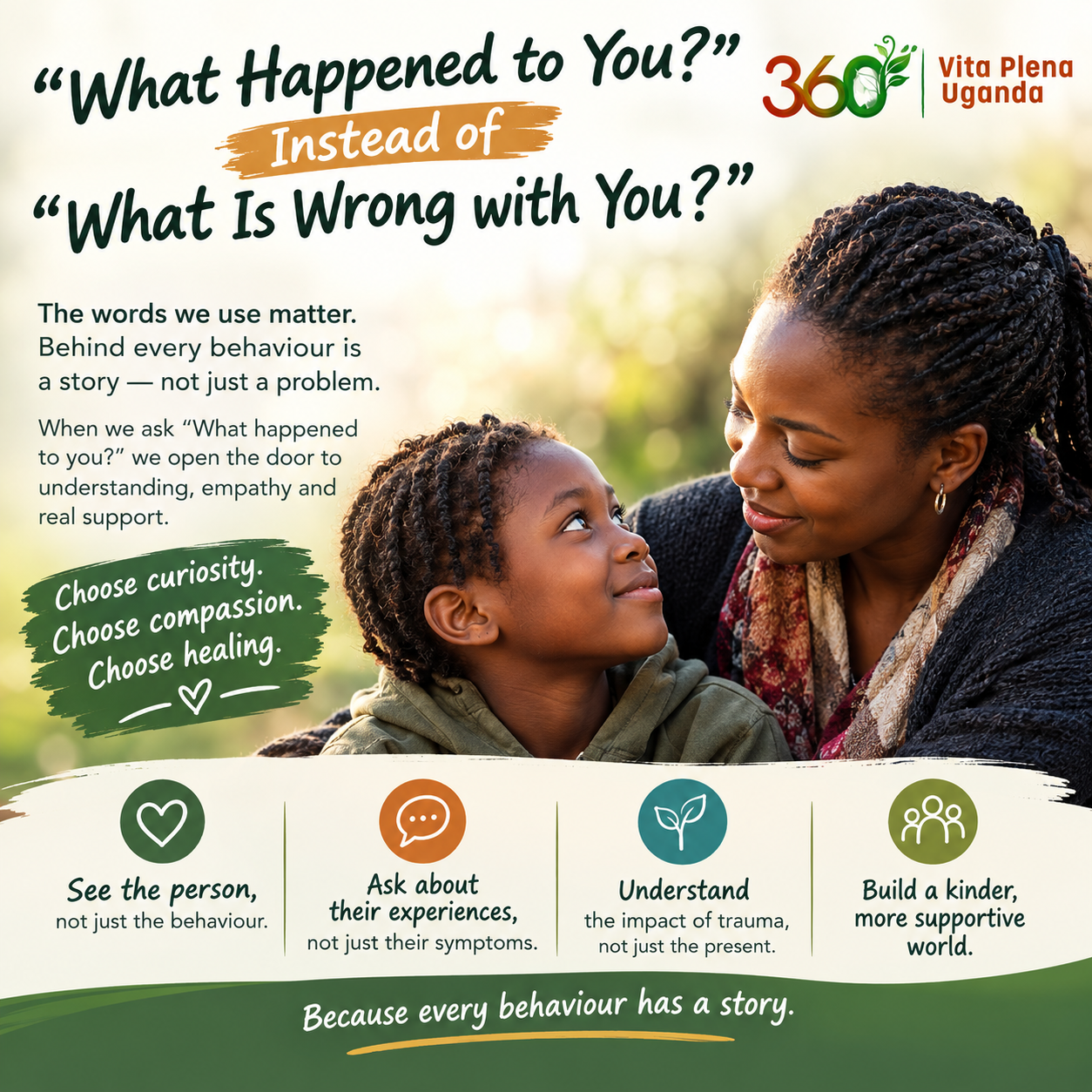
This is the heart of trauma-informed practice. It asks a different question. Instead of only asking what is wrong with this person, it also asks what happened to this person, and how did that experience shape them.
Shaped, but not trapped
It would be a poor kind of help that stopped at explanation. If our experiences shaped us and that was the end of the matter, understanding would only tell us why we are stuck.
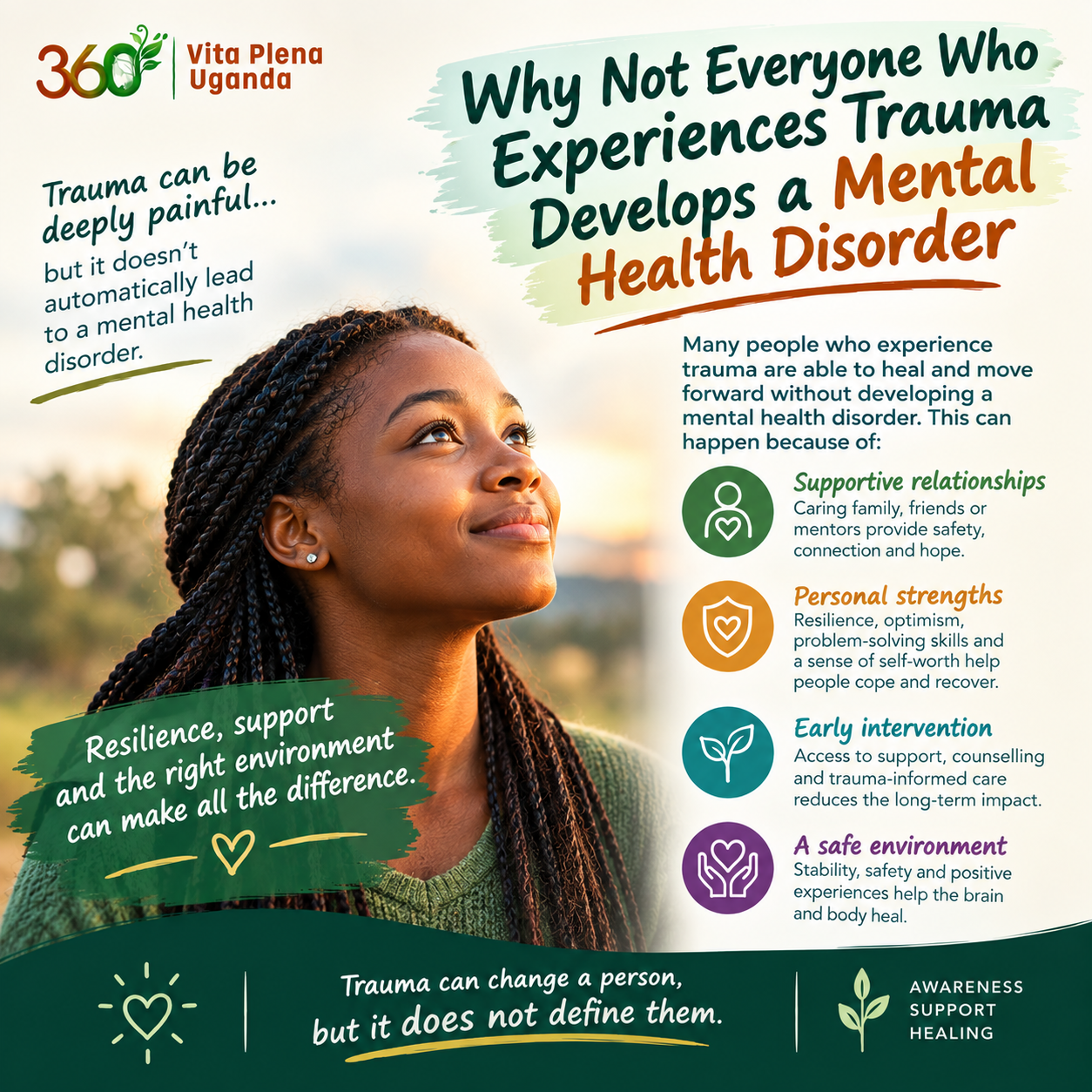
We believe something else. People are shaped by their experiences but are not defined by them. Every person is created with dignity, value, and purpose. The events of a life can distort how a person sees that dignity; they cannot cancel it.
This is why our work does not stop at teaching people about trauma. It moves toward identity: helping a person recognise the devaluing messages they absorbed, name the experiences that shaped their responses, and begin to separate what happened to them from who they are. The moment a person can say I am more than my pain, something shifts that no amount of correction could have produced.
What this means practically
For individuals, it means that the way you respond to stress, conflict, or closeness has a history, and that history can be understood and worked with.
For families, it means that the patterns repeating across generations are not fate.
For institutions, it means the people you serve are carrying stories you cannot see, and the way your staff respond can either open the door to healing or close it.
For leaders, it means that compassion is not softness. It is accuracy. It is responding to what is actually happening rather than to what appears on the surface.
Healing is possible. Identity can be restored. Communities can become safer, stronger, and more compassionate. That work begins with a change in how we see one another.