admin

The Hidden Trauma Behind Difficult Behaviour
Every classroom, workplace, church, and home has at least one person others describe as “difficult.” The child who explodes without warning. The employee who cannot accept feedback. The teenager who lies, steals, or disappears for hours. The relative who picks fights over nothing. Our instinct is to manage the behaviour we see; punish it, correct it, contain it. But behaviour is rarely the whole story. Beneath almost every pattern we label as “difficult” sits a history, and very often, that history includes trauma no one has ever asked about.
Behaviour is Communication, Not Character
The first shift in understanding difficult behaviour is realizing that it is not a fixed trait. It is communication. A person’s actions are constantly telling us something about what they need, what they fear, or what they have learned about the world, even when they cannot put any of it into words.
Picture an iceberg. What we see above the waterline – the shouting, the silence, the aggression, the withdrawal — is only a small fraction of what is actually there. Below the surface lies everything that shaped the behaviour: past experiences, unmet needs, survival strategies learned long ago, and beliefs about safety and worth that were formed before the person had any say in the matter.
When we respond only to what is visible, we are managing a symptom while ignoring its cause. A trauma-informed lens asks us to look below the waterline before we decide how to respond.
Three Ordinary Scenes, Three Hidden Stories
Consider three situations that might otherwise be labelled simply as “bad behaviour”:
- A child at home hears her father’s footsteps at the door and instantly runs to hide.
- A child arrives at school after a weekend with no food in the house and cannot concentrate on the lesson at all.
- A teenager hears a particular song drift from a passing car and suddenly freezes, unable to focus for the rest of the class.
None of these children is choosing to be difficult. Each is responding to something real; fear, hunger, memory — that has nothing to do with defiance and everything to do with survival.
Why the Brain Reacts Before It Thinks
To understand difficult behaviour, it helps to understand a little of how the brain is built and how it responds under stress.
The Brain’s Chain of Command
The brain can be thought of in two broad parts: a primitive brain (the brainstem, amygdala, and hippocampus) responsible for survival, instinct, and emotional memory, and a higher brain (the cerebral cortex) responsible for reasoning, planning, and thoughtful decision-making.
These parts do not operate as equals. The amygdala — the brain’s threat-detector can override the hippocampus, the brainstem, and the cerebral cortex the moment it senses danger. The cerebral cortex, by contrast, cannot override any of the more primitive parts, and it only functions well when the rest of the brain is “at peace.” In other words, when a person feels threatened, their capacity to reason, listen, and make thoughtful choices is temporarily shut down not because they are being stubborn, but because their brain has shifted into a different mode entirely.
Fight, Flight, or Freeze
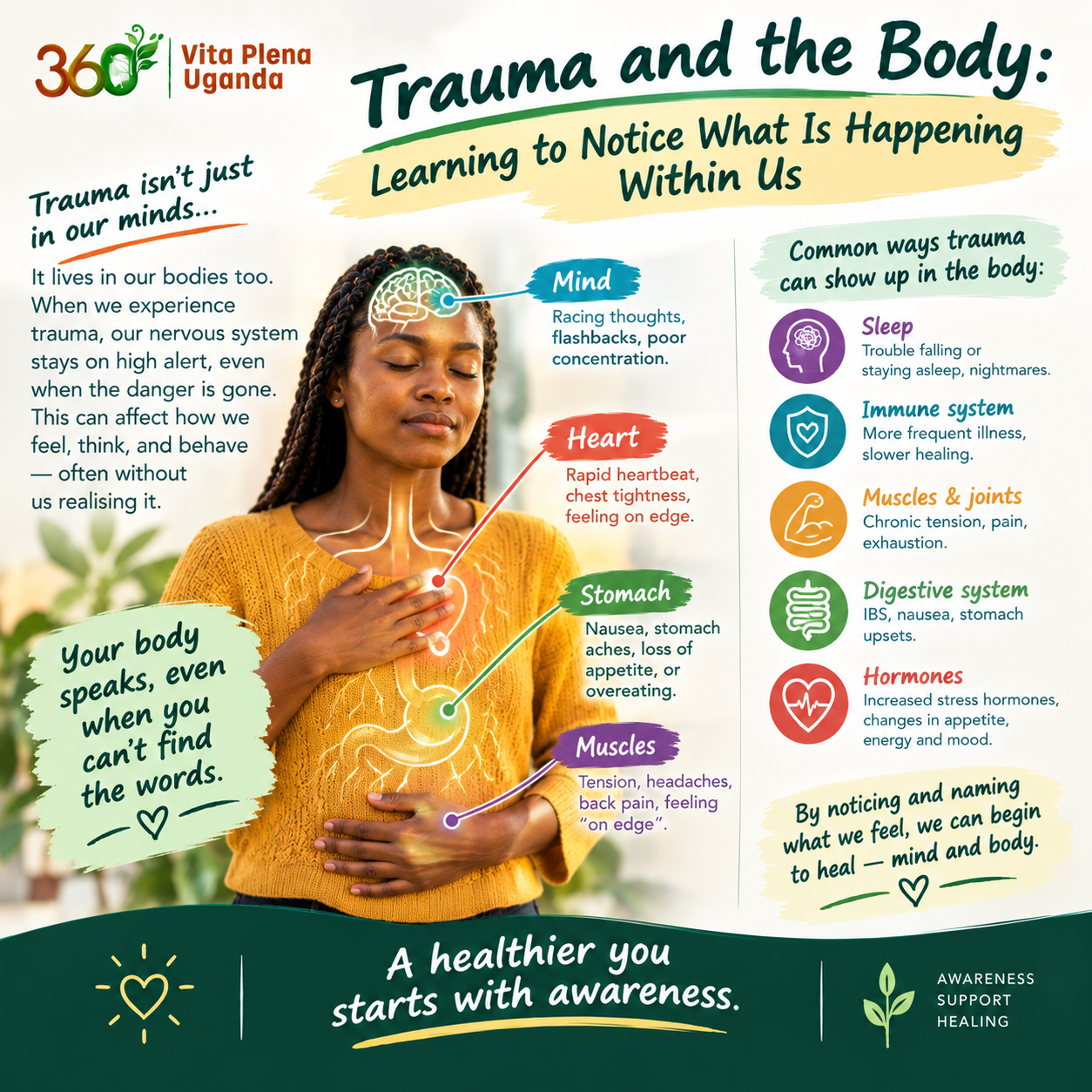
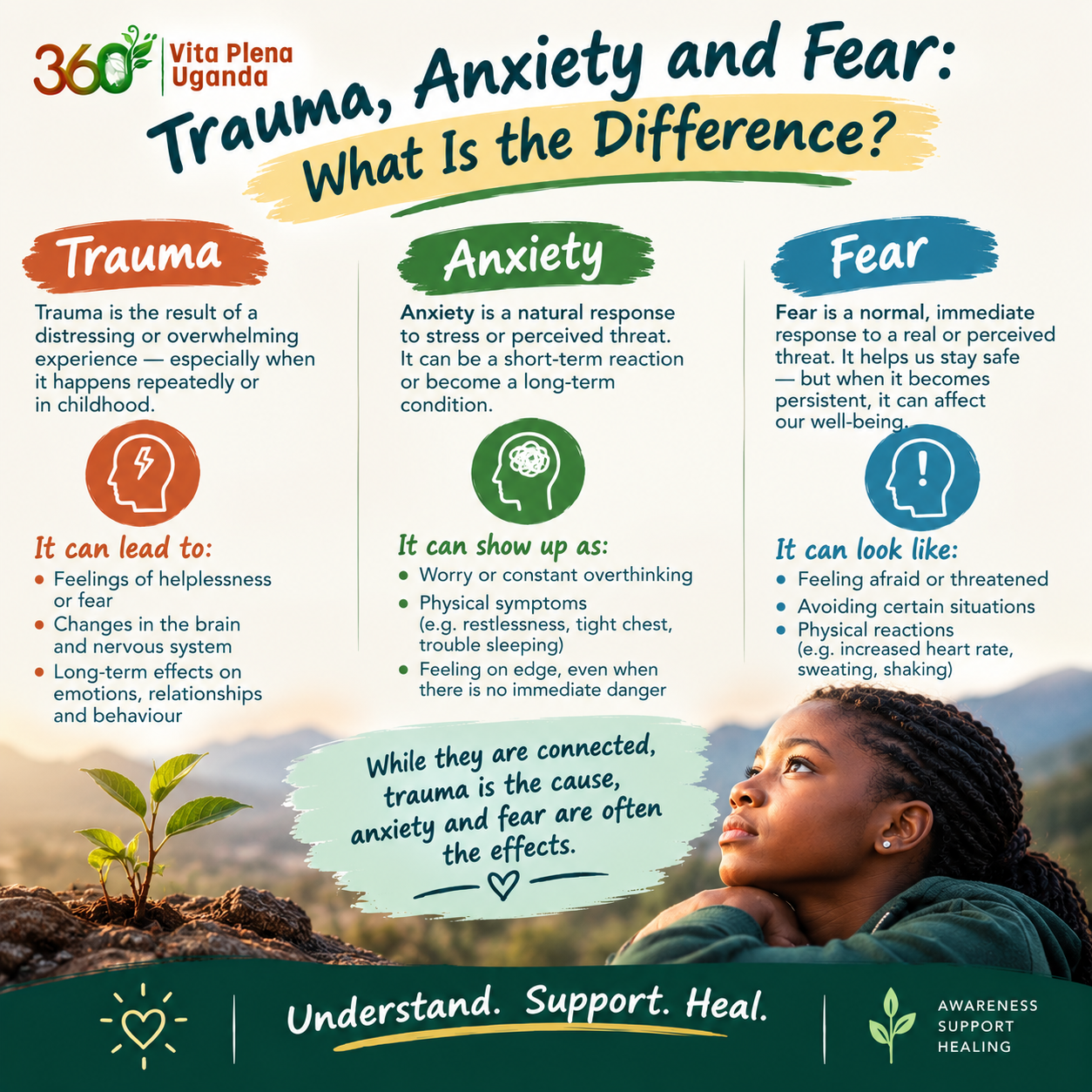
This is where the well-known responses of fight, flight, and freeze come from. None of them are conscious decisions. They are automatic survival responses that occur when the brain perceives a threat — real or remembered. A child who lashes out, a teenager who disappears, or a person who goes completely silent under pressure may simply be demonstrating one of these ancient, protective reactions.
Threat Versus Challenge
There is an important difference between a threat and a challenge. Challenges, even difficult ones, allow learning and growth to happen, whether that “learning” means academic progress or simply learning how to cope with life. Threats do not. When the pendulum swings from challenge into threat, the brain prioritises survival over learning, and progress of any kind becomes impossible until safety is restored. What looks like a lack of motivation, resilience, or discipline is very often a nervous system stuck in threat mode.
Childhood Trauma: The Roots Beneath the Behaviour
A great deal of the difficult behaviour we encounter in children and later in the adults those children become, traces back to early experiences often referred to as Adverse Childhood Experiences, or ACEs. These include things like abuse, neglect, domestic violence, parental separation, and living with a family member struggling with mental illness or substance use.
The age at which trauma occurs matters greatly, because different parts of the brain develop at different stages. Trauma experienced from birth to around two years old affects the brainstem; trauma between roughly one and five years old affects the amygdala and hippocampus; and trauma from around age four onward affects the cerebral cortex. Because the brain is not fully developed until about age twenty-five, early adverse experiences can shape a person’s stress responses, emotional regulation, and even their physical health for decades to come.
From Childhood Wounds to Adult Struggles
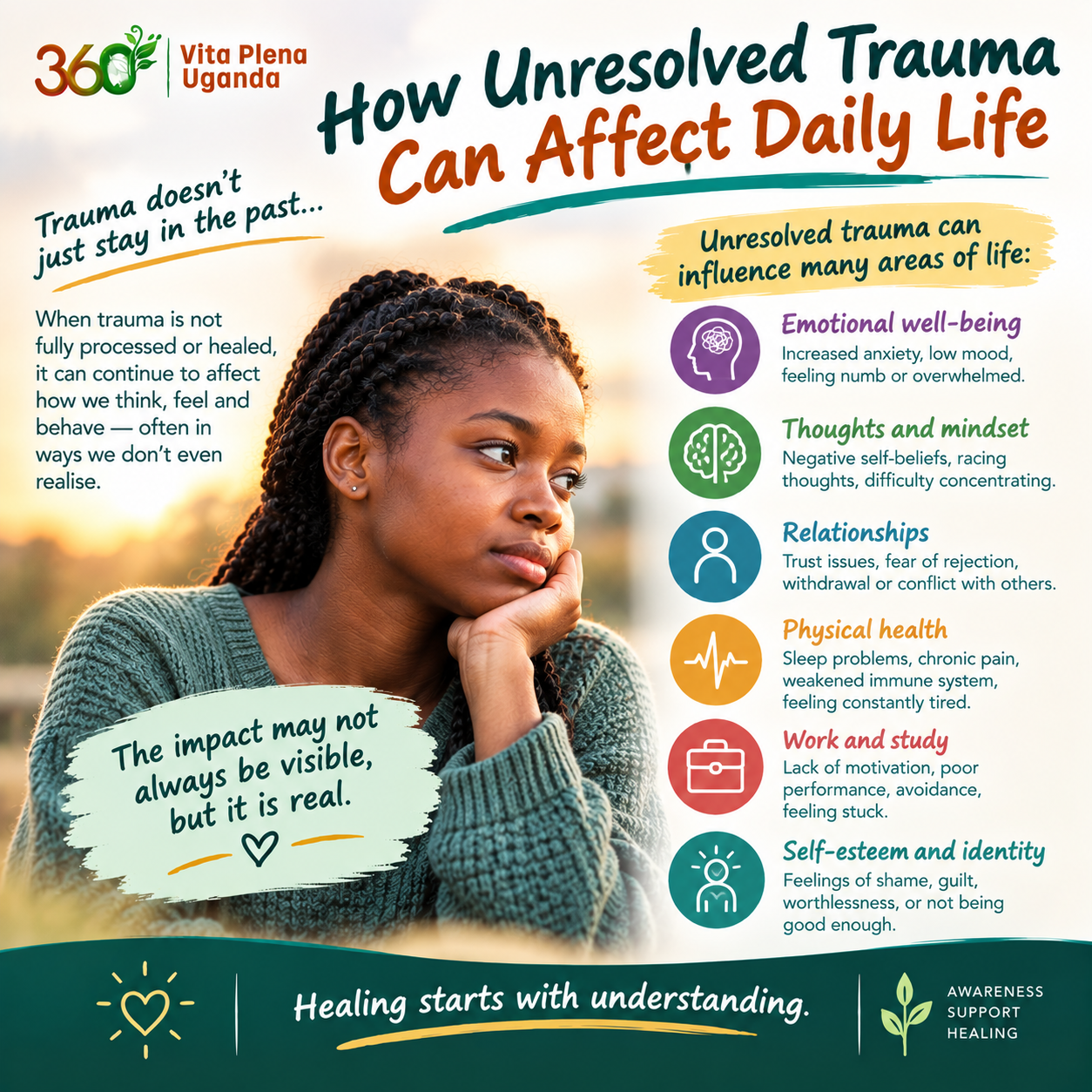
Small, repeated experiences in childhood — sometimes called “little t” traumas often resurface as specific patterns in adulthood. Being teased as a child can become a lifelong fear of rejection. A parent who demanded perfection can produce an adult terrified of making mistakes. Watching people leave again and again can plant a deep fear of abandonment. A high-conflict household can raise an adult who avoids conflict entirely, unable to voice their own needs. None of these adult patterns look like “trauma” on the surface. They look like personality traits, quirks, or flaws — until we understand where they came from.
Destructive Messages and the Words that Shape Us
Behaviour is also shaped by the words spoken over a person, especially in childhood. Messages like “I’m stupid,” “I’m a waste of space,” or “I’m not loved” do not stay as external criticisms; over time, they can become internal beliefs. What began as “you are…” becomes, in the child’s own mind, “I am…”
These internalised beliefs tend to move in one of two directions. Turned inward, they can produce sadness, self-harm, depression, and suicidal thoughts — a person devaluing themselves. Turned outward, they can produce anger, aggression, violence, and anti-social behaviour — a person devaluing others. What looks like two very different problems — a withdrawn child and an aggressive one — can share the very same root: destructive messages that were never replaced with something better.
Behaviour as Resilience, Not just Dysfunction
Here is a perspective that changes everything: many of the behaviours we find most challenging are, in fact, impressive feats of resilience. They were adaptive once. They kept someone safe, once. The child who trusts no one learned, somewhere, that trust was dangerous. The teenager who fights first learned that hesitation led to being hurt. The adult who shuts down at any hint of conflict learned that speaking up only made things worse.
These behaviours persist long after the original danger has passed, not because the person is broken, but because their brain has not yet learned that it is safe to respond differently. Seen this way, difficult behaviour is not simply dysfunction to be corrected — it is evidence of a survival system that once worked exactly as it needed to.
Secondary Trauma: When it affects the Helper too
It is worth noting that those who work closely with people carrying hidden trauma — teachers, pastors, social workers, parents, and caregivers — can absorb some of that trauma themselves. This is known as secondary trauma, and it can show up as cognitive, emotional, behavioural, and physical symptoms in the helper. Recognising difficult behaviour in others is important, but so is recognising when caring for others has begun to take a toll on ourselves.
Responding Differently: What Trauma-Informed Support Looks Like
Understanding the roots of difficult behaviour changes how we respond to it. A few principles make a real difference:
Ask a Different Question
Instead of asking, “What is wrong with this person?” ask, “What might have happened to them?” This single shift moves us from judgment toward curiosity, and curiosity is far more likely to open a door than blame ever will.
Prioritise Safety Before Anything Else
Before any correction, conversation, or consequence can be effective, a person needs to feel safe. A calm, predictable, caring environment is often the single most important ingredient in helping someone move out of threat mode and back into a place where they can think, listen, and grow.
Don’t Force the Story
We do not need someone to disclose their trauma before we can help them. In fact, pushing someone to explain themselves before they feel safe can do more harm than good. Some of the deepest wounds are preverbal or fragmented, and a person may not be able to explain their own behaviour even if they wanted to.
Remember that every Interaction can be an Intervention
You may never learn the full story behind someone’s difficult behaviour. But a patient response, a kind word, or a moment of calm presence can quietly begin to rebuild what was broken — one interaction at a time.
Know the Limits
Being trauma-aware does not mean becoming a therapist. There is real overlap between trauma responses and mental illness, and it is not our role to diagnose. When in doubt, encourage the person toward qualified professional or medical support, while continuing to offer steady, compassionate presence yourself.
A Different way to see People
Difficult behaviour will always test our patience. But when we remember that it is rarely random — that it is communication shaped by a brain doing its best to survive, and a history often marked by pain no one ever asked about — our response can shift from frustration to compassion. We stop asking people to simply “behave better” and start asking what safety, support, and understanding they may still be waiting to receive.
That shift costs us nothing, and for the person on the receiving end, it can be the beginning of everything.