admin
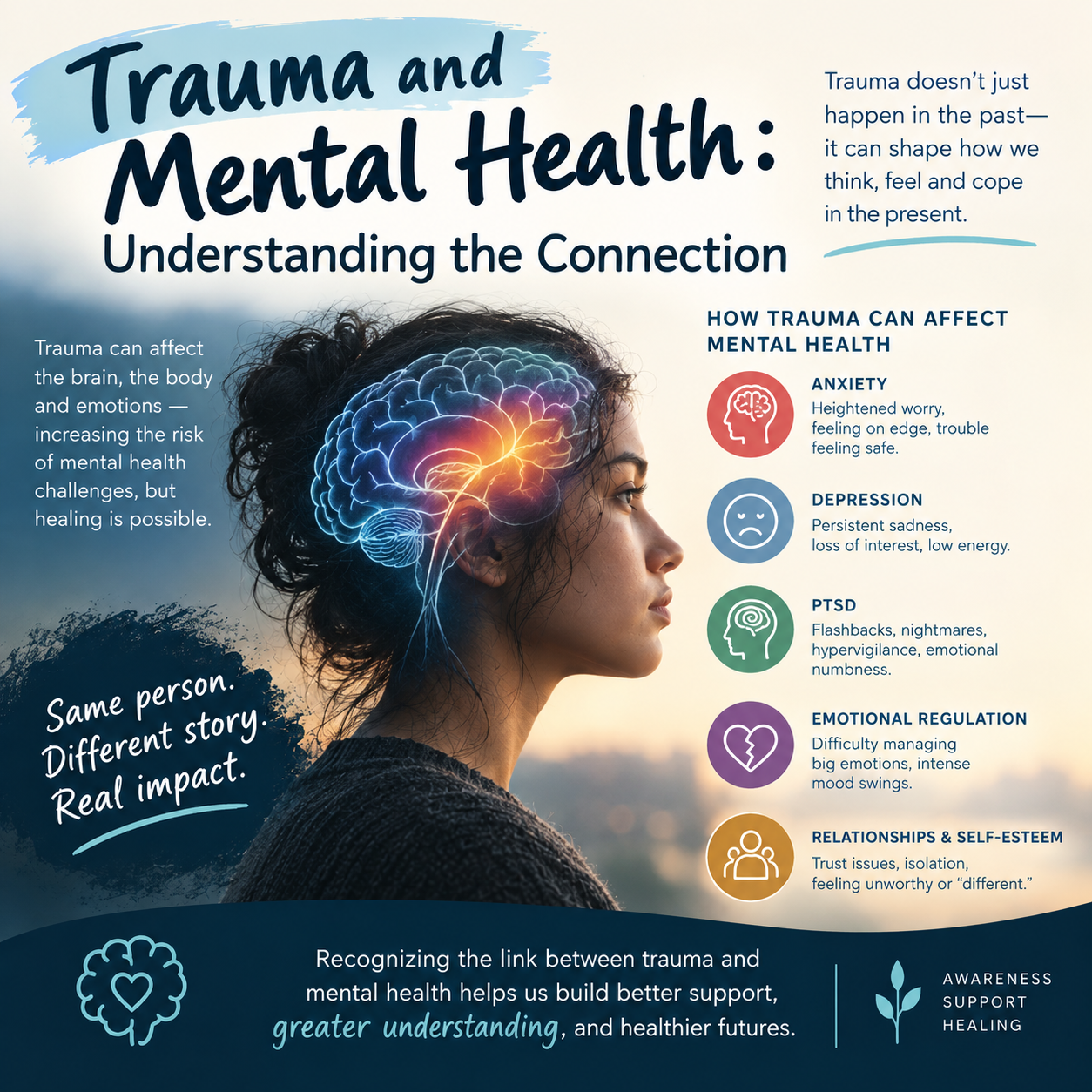
Mental health struggles are often treated as if they appear out of nowhere: a chemical imbalance, a personal weakness, a mystery to be managed rather than understood. But for a great many people, mental health difficulties are not the root problem at all. They are the visible signal of something older and less visible: unresolved trauma.
The hidden problem and its visible sign
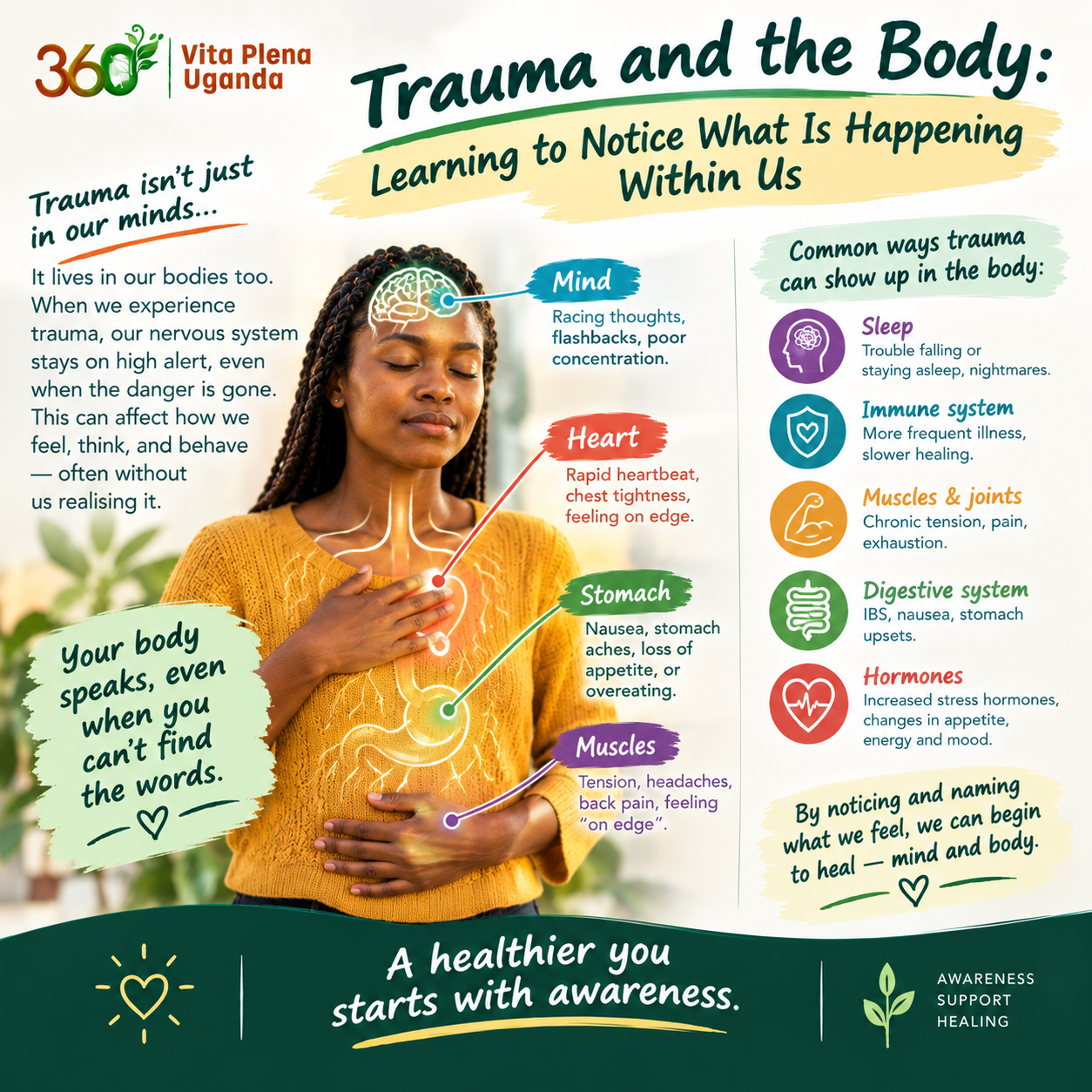
Trauma and mental health are connected in a simple but often overlooked way. Trauma — whether from childhood or more recent experience — is frequently a hidden, unspoken problem. No one sees it happen; no one necessarily knows it occurred at all. Mental health struggles, by contrast, are often the visible outward sign that something inside has not been resolved. One in eight people worldwide live with a mental health issue, and roughly one in four have a family member affected — yet only a small fraction of global healthcare resources are directed toward supporting them. Behind a great many of those struggles sits a story of trauma that was never acknowledged, let alone healed.
Two directions, one root
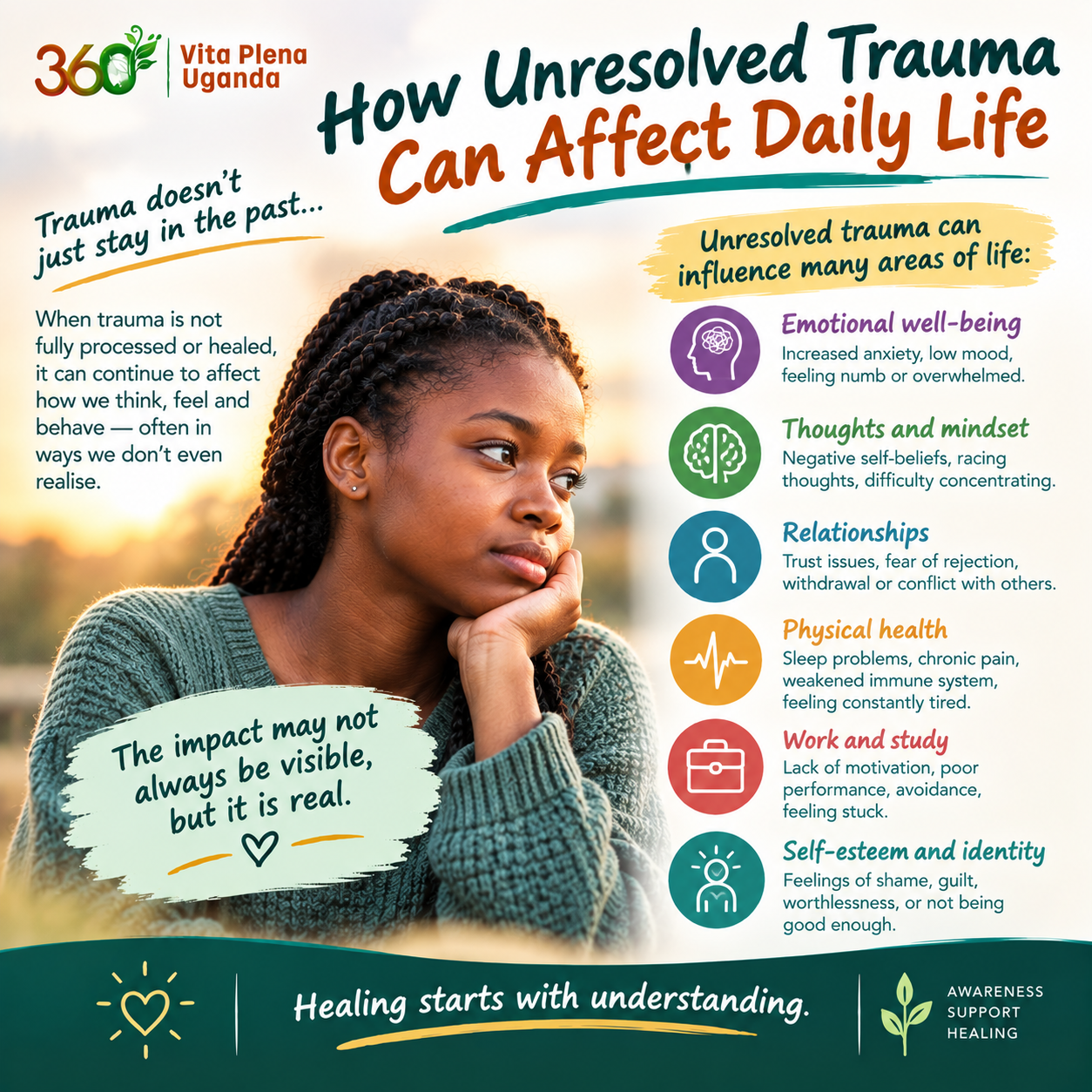
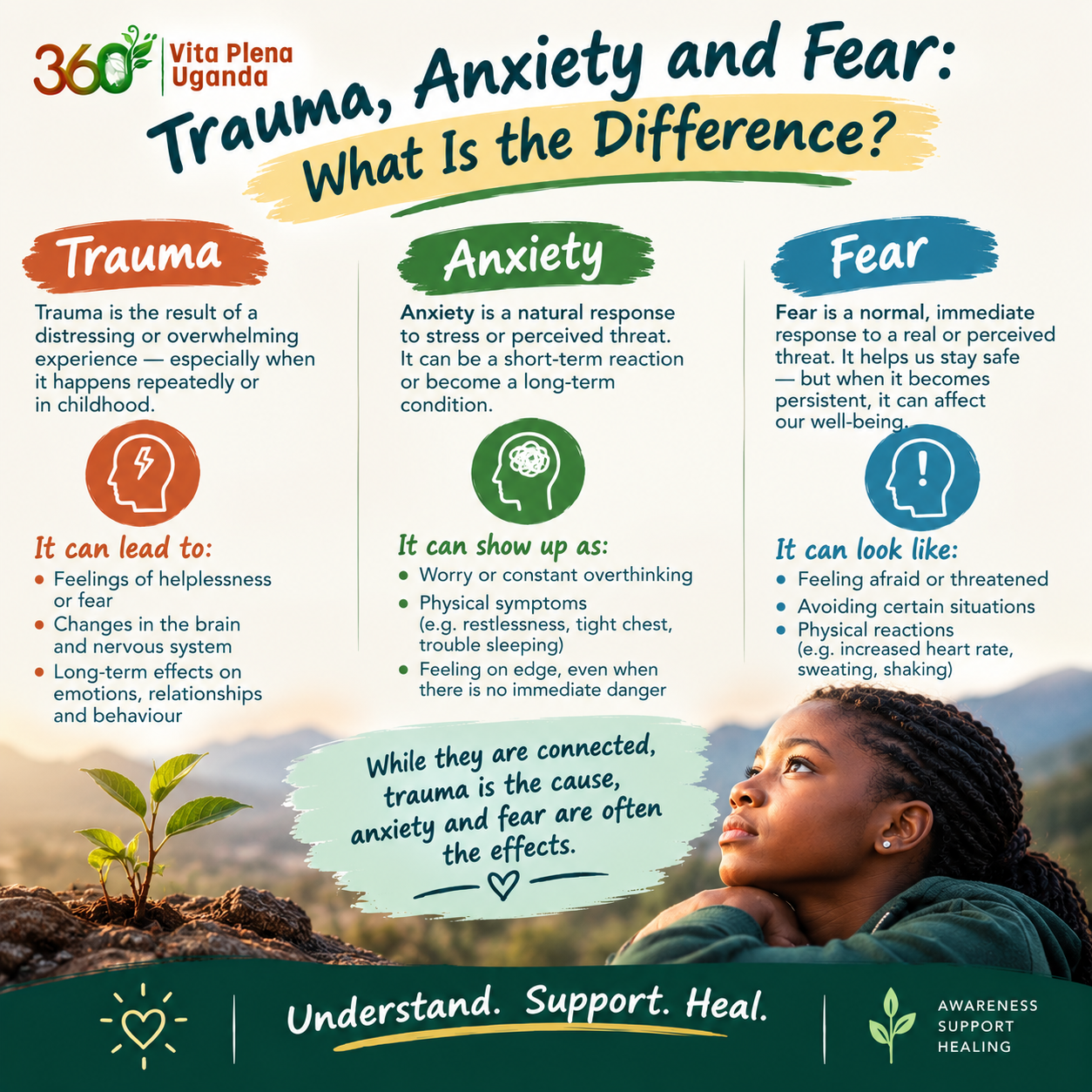
When trauma goes unprocessed, it tends to surface in one of two directions. Turned inward, it can show up as depression, anxiety, self-harm, or suicidal thoughts; a person devaluing themselves. Turned outward, it can show up as aggression, violence, or anti-social behaviour — a person, often unconsciously, devaluing others. These look like very different problems on the surface. A withdrawn, anxious person and an aggressive, disruptive one might never be placed in the same category. But both can be expressions of the same underlying cause: abusive experiences, neglect, relational wounds, or childhood trauma that has never found a safe place to be understood.
Why this connection changes everything
Recognizing this link changes the questions we ask. A problem-focused approach looks at troubling behaviour or mental health symptoms and asks, “What is wrong with this person?” A trauma-informed approach looks at the same behaviour and asks, “What happened to this person?” The first question searches for fault. The second searches for a story — and stories, unlike faults, can be heard, held, and healed.
This does not mean every mental health difficulty stems from trauma, or that trauma always leads to a diagnosable disorder — many people experience real hardship and remain remarkably well, particularly when they have support around them. But it does mean that behind much of what we label as a mental health “problem,” there is very often a person who survived something, and whose mind and body are still carrying the weight of it.
Toward a different kind of care
Understanding the connection between trauma and mental health does not require every helper to become a therapist. It simply requires a shift in posture — from judgment to curiosity, from managing symptoms to understanding people. When we start asking what happened rather than what’s wrong, we open the door to a kind of care that treats the root of the pain, not just its outward signs. That shift alone can be the beginning of real healing — for individuals, families, and entire communities.