admin
- Featured , Schools and Educators
- September 16, 2026
- 42 views
Behind the behaviour: What every Ugandan teacher Should know
Every teacher knows the learner. The one who cannot sit still. The one who answers back. The one who arrives late, forgets everything, and stares out of the window. The…

- Featured , Understanding Trauma
- September 16, 2026
- 48 views
Why we don’t all respond the same way: Trauma and the Brain
Ask a room of teachers, pastors, or NGO staff to describe the most difficult person they serve, and the descriptions come quickly. Explosive. Withdrawn. Dishonest. Impossible to reach. Ask the…

- Featured , Foundations
- September 15, 2026
- 50 views
Shaped by Our Experiences, Not Defined by Them
Everyone is born with a brain. Yet no two people think, respond, relate, or cope in the same way. Two children can sit in the same classroom, hear the same…
- Our Programs
- September 15, 2026
- 47 views
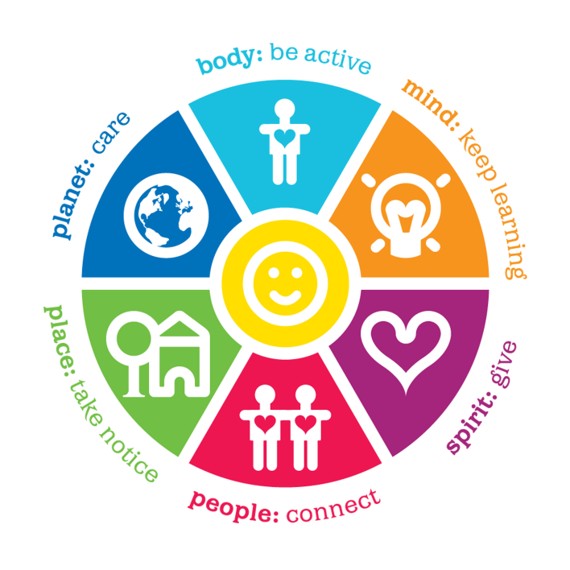
Practical Tools for Daily Life
Turning Understanding Into Everyday Action Understanding trauma is important, but knowledge alone is not enough. People also need practical tools they can use in classrooms, homes, churches, workplaces, communities, and…

- Our Programs
- September 15, 2026
- 44 views
Building Resilient Teams and Programs
Caring for the People Who Care for Others Organisations often focus heavily on the people they serve while overlooking the wellbeing of the people doing the serving. Teachers, pastors, prison…
- Our Programs
- September 15, 2026
- 43 views
Trauma-Informed Service Delivery
Serving People With Understanding, Safety and Dignity People who serve others often work with individuals carrying experiences they cannot immediately see. A teacher may be working with a child affected…
- Our Programs
- September 15, 2026
- 37 views
Healing Through Identity Discovery
You Are More Than Your Pain Difficult experiences can change the way people see themselves. Repeated rejection can produce shame. Abuse can create feelings of worthlessness. Failure can produce hopelessness.…

- Our Programs
- September 15, 2026
- 58 views
Understanding Trauma and the Brain
When Behavior is a Survival Response Not every difficult behavior is a sign of rebellion, weakness, poor character, or lack of discipline. Sometimes what appears irrational, destructive, withdrawn, aggressive, or…